Dysmenorrhea and Leucorrhoea: Natural Care for Painful Periods and Vaginal Discharge
Millions of Indian women silently manage painful periods (dysmenorrhea) or ongoing vaginal discharge (leucorrhoea) each month, often assuming it is simply
“normal.” While mild discharge is a natural part of reproductive health, persistent pain or abnormal discharge is usually a sign that something needs attention —
not something to be ignored.
Understanding Dysmenorrhea
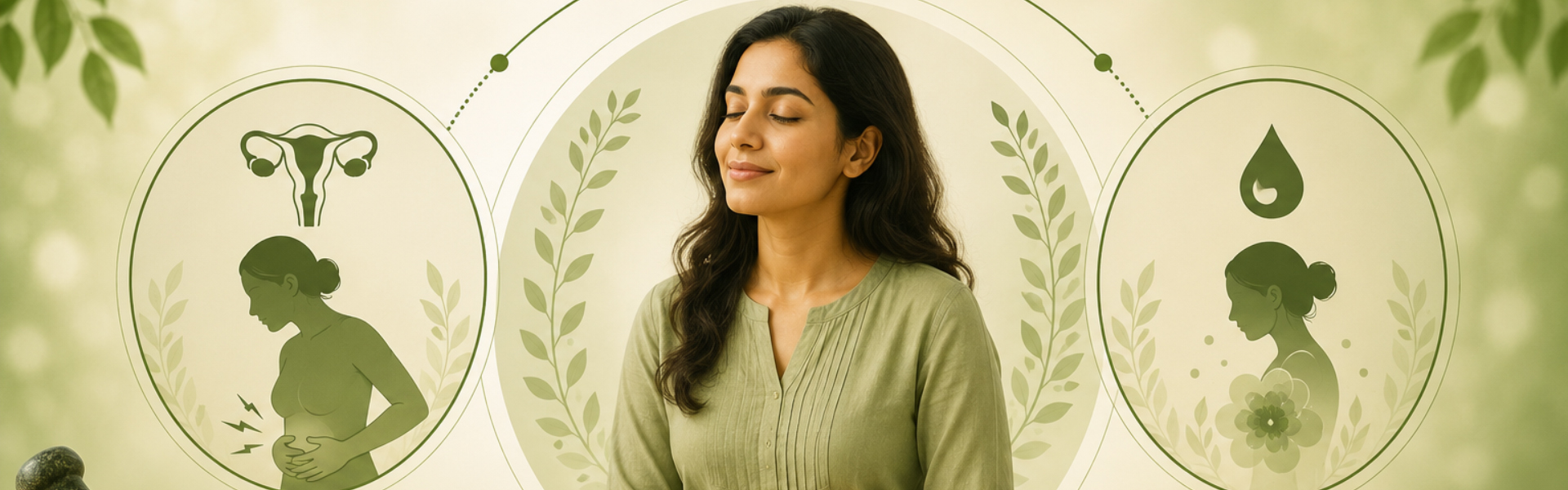
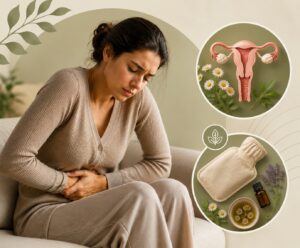
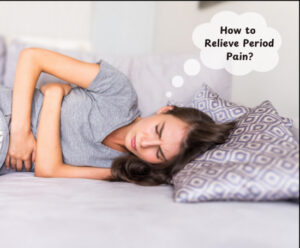
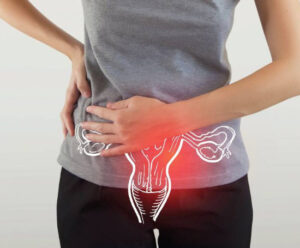
Dysmenorrhea refers to painful menstrual cramps that can range from mild discomfort to pain severe enough to disrupt daily life. It is commonly linked to uterine
muscle contractions, hormonal imbalance, stress, poor circulation, or underlying gynaecological conditions such as PCOD.
Understanding Leucorrhoea
Leucorrhoea is a whitish vaginal discharge that becomes a concern when it is excessive, foul-smelling, discoloured, or accompanied by itching or discomfort. In
Ayurveda, this is often linked to an aggravated Kapha dosha, weakened digestive fire, or general debility, and is closely connected to overall reproductive and
immune health.
The Neurovedic Approach
Diagnosis Before Treatment
Through Nadi Pariksha, Quantum Bio-Resonance scanning and a detailed gynaecological and lifestyle history, we assess whether the root cause is hormonal, circulatory, stress-related or linked to a broader condition such as PCOD, before recommending a treatment path.
Neurotherapy for Menstrual Health
Neurotherapy targets neuro-reflex points connected to the pelvic and reproductive region, helping to improve blood circulation to the uterus, ease muscular tension, and support the nervous system's regulation of the menstrual cycle — offering natural relief from cramping without pain medication dependency.
Single-Herb Ayurvedic Medicines
Herbs such as Ashoka (traditionally used for uterine and menstrual health), Shatavari (reproductive tonic) and Lodhra (traditionally used to support healthy vaginal discharge) are prescribed as single, precisely dosed preparations based on your individual diagnosis.
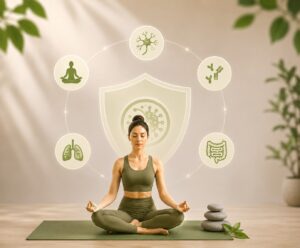
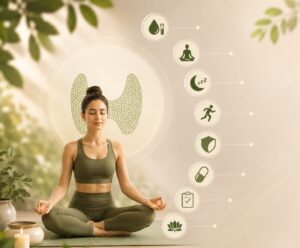
Therapeutic Yoga for Women's Health
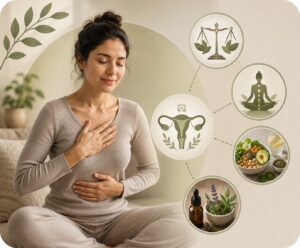
Gentle pelvic-opening asanas such as Baddha Konasana and Supta Baddha Konasana, along with calming pranayama, are commonly included in personalised protocols to ease cramping and support hormonal regulation.
Lifestyle and Hygiene Tips
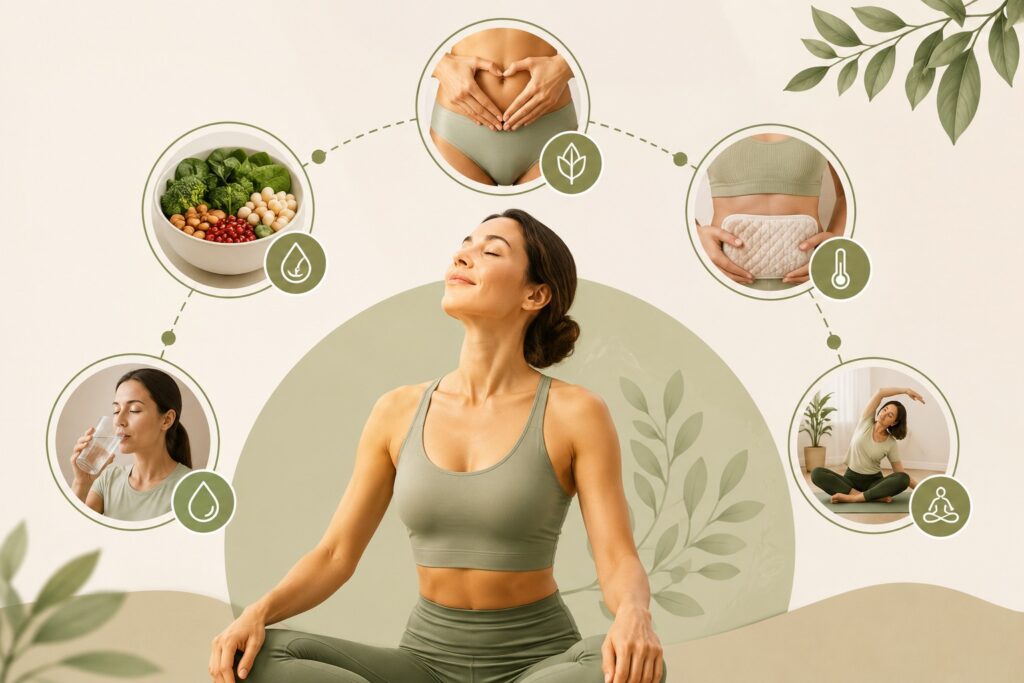
- Maintain good genital hygiene and wear breathable, cotton innerwear.
- Avoid excessive intake of cold, fried or overly spicy foods during your cycle.
- Apply gentle warmth (a warm compress) to ease menstrual cramping.
- Stay well hydrated and include iron-rich foods to support healthy blood flow.
- Practice light stretching and pranayama regularly, not just during painful periods.
Frequently Asked Questions (FAQs)
Q1. Is leucorrhoea always a sign of infection?
Not necessarily — some discharge is a normal part of reproductive health. However, a change in colour, smell, consistency or accompanying discomfort should be
evaluated by a qualified practitioner.
Q2. Can Neurotherapy replace pain medication during periods?
Many women use Neurotherapy and Ayurvedic care to reduce their reliance on painkillers over time; however, this should be done under professional guidance,
particularly if pain is severe.
Q3. How soon can I expect relief from period pain?
Some women notice reduced cramping within a cycle or two, while deeper hormonal correction generally takes a few months of consistent care.
You don’t have to just “manage” period pain every month.
Book a women’s health diagnostic consultation at Neurovedic, Jalandhar — call +91-94630-62141 or +91-98151-87171.