Feeling constantly overwhelmed, emotionally drained, and like you have nothing left to give — this is
burnout. In today’s hyperconnected, always-on world, chronic stress and burnout have become silent
epidemics affecting professionals, students, caregivers, and parents alike.
At Neuro Vedic Holistic Health Care, we offer a comprehensive holistic reset for stressed and burned-out
individuals through Neurotherapy, Yogic Science, Nutrition Guidance, and personalized Lifestyle
Modification — helping the body and mind recover naturally from the damaging effects of chronic stress.
Can This Condition Improve Naturally?
The body’s stress response was designed for short-term emergencies — not for months or years of
chronic pressure. Over time, unrelenting stress depletes cortisol regulation, impairs immunity, disrupts
digestion, and damages cardiovascular health. Holistic care aims to interrupt this cycle by calming the
nervous system, replenishing nutritional deficiencies caused by stress, improving sleep, and building
long-term resilience.
Understanding This Condition
Stress is the body’s natural response to challenge or demand. Chronic stress — when the stress response
stays activated long-term — leads to physiological and psychological damage. Burnout is a state of
chronic exhaustion, emotional detachment, and reduced effectiveness, typically related to prolonged
occupational or caregiving stress. The WHO officially recognizes burnout as an occupational
phenomenon. It affects immune function, hormonal balance, cognitive performance, and emotional health.
Common Symptoms
• Constant fatigue even after rest • Feeling emotionally drained and detached • Reduced performance and productivity • Cynicism and negativity • Headaches and body tension • Digestive complaints • Sleep disturbances — insomnia or oversleeping • Irritability and mood swings • Difficulty concentrating • Loss of motivation and purpose • Increased susceptibility to illness • Social withdrawal • Anxiety and depressive symptoms
Causes & Contributing Factors
• Excessive work demands and lack of recovery • Poor work-life balance • Lack of control over workload • Insufficient sleep • Nutritional depletion from chronic stress • Hormonal imbalance (cortisol dysregulation) • Lack of social support • Perfectionism and people-pleasing tendencies • Digital overload and constant connectivity • Financial stress • Caregiving demands without self-care
Modern Medical Treatment Approaches
Medical management of chronic stress and burnout includes counseling and therapy (CBT,
mindfulness-based stress reduction), lifestyle counseling, and in some cases, short-term medication for
anxiety or sleep. Employee assistance programs (EAPs) and occupational therapy are also used. The
foundational treatment remains lifestyle restructuring — rest, boundaries, and stress management.
Understanding Long-Term Medication Considerations
• Chronic stress itself causes: immune suppression, cardiovascular risk, digestive disorders • Medications for stress-related anxiety or sleep may carry dependency risks • Without addressing root causes, symptomatic treatment may provide only temporary relief
How Neurotherapy May Support This Condition
Neurotherapy at Neuro Vedic focuses on activating the body’s parasympathetic recovery mode — the
antidote to chronic stress. Sessions may help: reduce cortisol-driven tension, calm the nervous system,
improve sleep quality, restore physical energy, support digestive function, and improve emotional
regulation capacity. Regular sessions can form a powerful part of a sustainable burnout recovery plan.
Role of Yogic Science
• Restorative yoga — the anti-burnout practice • Yoga Nidra for nervous system restoration • Yin yoga for deep tissue and emotional release • Pranayama: 4-7-8 breathing and Bhramari • Meditation for mental quietness • Nature walks and mindful movement • Daily micro-recovery breaks
Diet & Nutrition Support
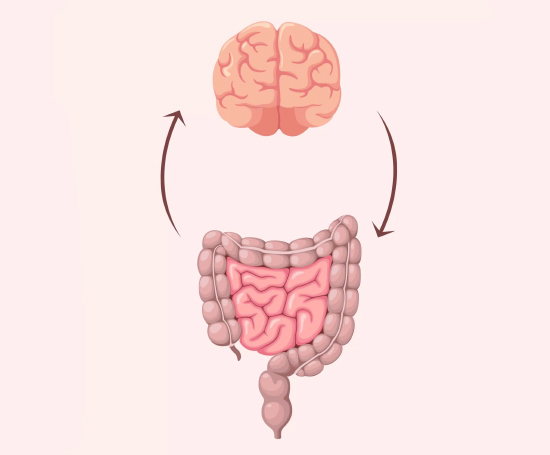
• Adaptogenic herbs: ashwagandha, tulsi (with professional guidance) • Vitamin C: citrus fruits, bell peppers (depleted by stress) • Magnesium: almonds, spinach, pumpkin seeds • B-complex vitamins for energy metabolism • Omega-3 for brain and mood support • Probiotic foods for gut-brain axis • Avoid: excess caffeine, sugar, alcohol • Regular, balanced meals — avoid skipping
Lifestyle Modifications for Better Health
• Set firm boundaries around work hours • Schedule daily recovery time — non-negotiable • Practice saying no to non-essential demands • Digital detox periods — especially evenings • Regular physical activity as stress discharge • Maintain social connections • Pursue hobbies and creative outlets • Professional coaching or therapy for burnout recovery
Why Choose Neuro Vedic Holistic Health Care?
At Neuro Vedic Holistic Health Care, we follow an integrated wellness approach that combines
Neurotherapy, Yogic Science, Diet & Nutrition Guidance, and Lifestyle Modification. Our focus is to
support the body naturally and help individuals improve overall health through holistic care principles —
addressing root causes rather than just suppressing symptoms.
• Personalized holistic care plans for each patient • Combination of Neurotherapy + Yogic Science + Nutrition + Lifestyle Guidance • Non-invasive, natural wellness support • Focus on root causes and long-term wellbeing • Compassionate, patient-centered approach
Frequently Asked Questions (FAQs)
Q1. What is the difference between stress and burnout?
Stress is a response to too many demands. Burnout is the result of prolonged, unmanaged stress —
characterized by exhaustion, emotional detachment, and reduced effectiveness
Q2. How long does it take to recover from burnout?
Recovery varies from weeks to months depending on severity. Consistent self-care, rest, stress
reduction, and professional support speed recovery significantly.
Q3. How does Neurotherapy help with stress?
Neurotherapy activates the parasympathetic nervous system, reducing stress hormones, calming
muscle tension, and improving sleep — all critical for stress recovery.
Q4. What foods help reduce stress?
Magnesium, B vitamins, Vitamin C, omega-3 fats, and adaptogenic herbs (under guidance) may help
the body manage stress more effectively.
Q5. Can yoga help burnout?
Yes. Restorative yoga, Yoga Nidra, and meditation are especially powerful for burnout recovery,
supporting nervous system restoration and emotional healing.
Q6. When is burnout a medical emergency?
If burnout is accompanied by severe depression, inability to function, suicidal thoughts, or physical
collapse, seek immediate medical care.