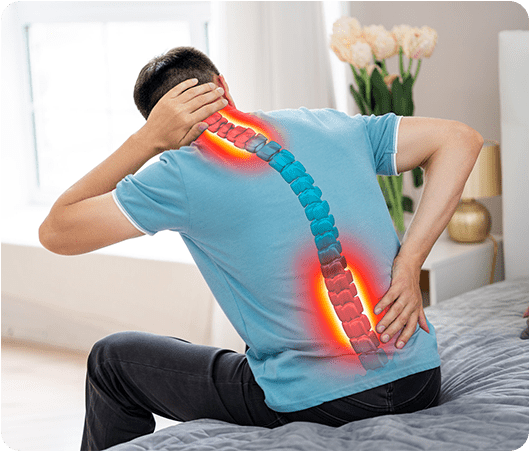
That sharp, shooting pain running from your lower back through your buttocks and down your leg —
sciatica is one of the most debilitating types of pain that can strike at any time, making it difficult to sit,
stand, walk, or sleep. Many people live with this pain for months or even years, relying on painkillers that
provide temporary relief without addressing the root cause.
At Neuro Vedic Holistic Health Care, we take a root-cause-focused approach to sciatica and nerve pain through Neurotherapy, Yogic Science, Posture Correction, Diet & Nutrition, and Lifestyle Modification — aiming to reduce nerve irritation, decompress the spine, and support the body’s natural healing capacity.
Can This Condition Improve Naturally?
Sciatica occurs when the sciatic nerve — the longest nerve in the body — is compressed or irritated. The good news is that in many cases, sciatica responds well to non-surgical care. The body wants to heal, and with proper nerve decompression support, postural correction, muscle relaxation, and anti-inflammatory care, many patients experience significant improvement in their symptoms and quality of life.
Understanding This Condition
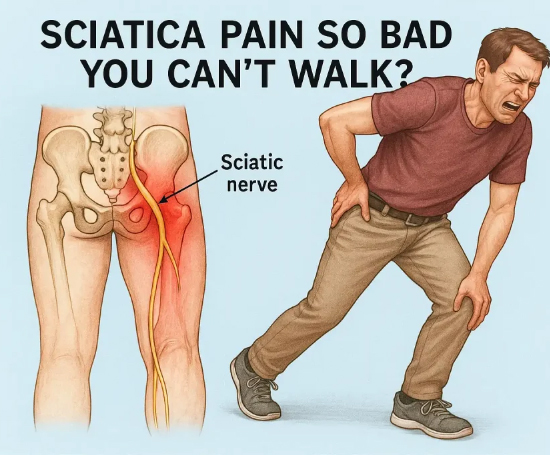
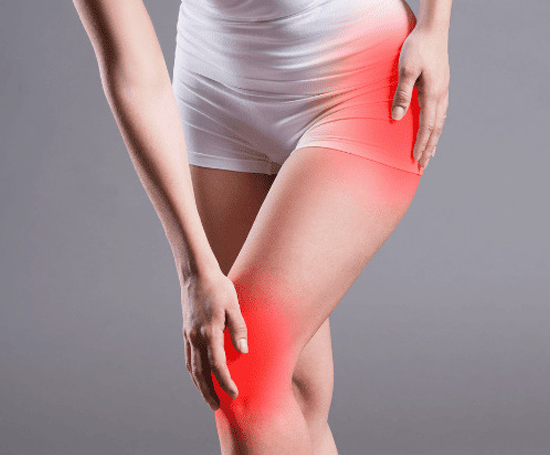
Sciatica refers to pain that radiates along the path of the sciatic nerve, which runs from the lower back through the hips, buttocks, and down each leg. It typically affects one side of the body. The pain is caused by compression or irritation of the nerve root — most often due to a herniated disc, bone spur, or narrowed spinal canal (stenosis). Sciatica is extremely common, affecting up to 40% of people at some point in their lives.
Common Symptoms
• Sharp, shooting pain from lower back to leg • Pain worsening with prolonged sitting • Burning or tingling sensation down the leg • Numbness in the leg, foot, or toes • Weakness in the affected leg • Difficulty standing up or walking • Pain worse with sneezing or coughing • Lower back stiffness • Hip pain and buttock discomfort • Reduced reflexes in the affected leg • Disturbed sleep due to pain
Causes & Contributing Factors
• Herniated or bulging lumbar disc pressing on nerve root • Bone spurs on the spine • Spinal stenosis (narrowing of spinal canal) • Piriformis syndrome (muscle compressing the sciatic nerve) • Poor posture and prolonged sitting • Sedentary lifestyle and weak core muscles • Obesity adding pressure on the spine • Trauma or injury to the spine • Degenerative disc disease • Pregnancy-related pelvic changes • Occupational lifting and bending
Modern Medical Treatment Approaches
Medical treatment for sciatica may include pain medications (NSAIDs), muscle relaxants, oral steroids, and epidural steroid injections for severe cases. Physiotherapy is a cornerstone of non-surgical management — focusing on core strengthening, posture correction, and nerve mobility exercises. Surgical options like discectomy or laminectomy are considered when conservative treatments fail and neurological deficits are present.
Understanding Long-Term Medication Considerations
• Long-term NSAID use may cause gastric issues and kidney concerns • Steroid injections may cause bone density reduction with repeated use • Muscle relaxants may cause drowsiness and dependency • Surgical risks including infection, nerve damage, and incomplete relief • Recurrence of symptoms without lifestyle correction
How Neurotherapy May Support This Condition
Neurotherapy at Neuro Vedic focuses on stimulating specific reflex and pressure points related to the lumbar spine and sciatic nerve pathway. This may help: reduce muscle spasm around the nerve, improve blood flow to compressed nerve roots, relax surrounding musculature, reduce pain signaling, support natural healing of irritated tissues, and improve posture-related imbalances. Many patients report reduced pain intensity, better mobility, and improved sleep after regular sessions.
Role of Yogic Science
• Pigeon pose for piriformis and hip flexor relief • Child’s pose for lumbar decompression • Supine twist for sciatic nerve mobility • Bridge pose to strengthen gluteal and lumbar muscles • Cat-cow stretch for spinal flexibility • Pranayama for pain management and relaxation • Avoid: deep forward bends and hamstring stretches during acute pain
Diet & Nutrition Support
• Anti-inflammatory foods: turmeric, ginger, omega-3 fats • Magnesium for muscle relaxation: leafy greens, almonds • Vitamin B12 for nerve health: dairy, eggs, fortified foods • Vitamin D: sunlight and fortified sources • Adequate hydration to maintain disc health • Avoid: excess sugar, refined carbohydrates, fried food • Maintain healthy weight to reduce spinal pressure
Lifestyle Modifications for Better Health
• Avoid prolonged sitting — stand and stretch every 30-45 minutes • Use ergonomic chair and proper desk posture • Sleep on a firm mattress in a supportive position • Gentle daily walking to improve blood flow • Core strengthening exercises as guided by a professional • Heat therapy for muscle relaxation • Avoid heavy lifting or sudden twisting movements • Weight management to reduce spinal load
Why Choose Neuro Vedic Holistic Health Care?
At Neuro Vedic Holistic Health Care, we follow an integrated wellness approach that combines Neurotherapy, Yogic Science, Diet & Nutrition Guidance, and Lifestyle Modification. Our focus is to support the body naturally and help individuals improve overall health through holistic care principles — addressing root causes rather than just suppressing symptoms
• Personalized holistic care plans for each patient • Combination of Neurotherapy + Yogic Science + Nutrition + Lifestyle Guidance • Non-invasive, natural wellness support • Focus on root causes and long-term wellbeing • Compassionate, patient-centered approach
Frequently Asked Questions (FAQs)
Q1. What are the typical symptoms of sciatica?
Sciatica typically causes sharp, radiating pain from the lower back through the buttock and down one leg, often accompanied by numbness, tingling, or weakness.
Q2. Can sciatica heal on its own?
In many cases, sciatica improves within weeks to months with proper care, rest, posture correction, and exercise. Severe or persistent cases may require medical intervention
Q3. How does Neurotherapy help with sciatica?
Neurotherapy may support nerve pain relief through muscle relaxation, improved circulation to compressed nerves, and reduction of muscle spasms — all helping to reduce sciatic pain naturally
Q4. What exercises relieve sciatica pain?
Gentle spinal stretches, hip openers, and core-strengthening exercises are commonly recommended. Yoga poses like child’s pose, pigeon pose, and supine twists may also provide relief.
Q5. Can diet reduce nerve pain?
Anti-inflammatory foods, adequate hydration, Vitamin B12, and magnesium-rich nutrition may support nerve health and reduce inflammation associated with sciatica.
Q6. Is surgery the only option for severe sciatica?
Surgery is typically the last resort, recommended only when conservative care fails or significant
neurological deficits appear. Most patients improve without surgery through proper holistic and medical
management.