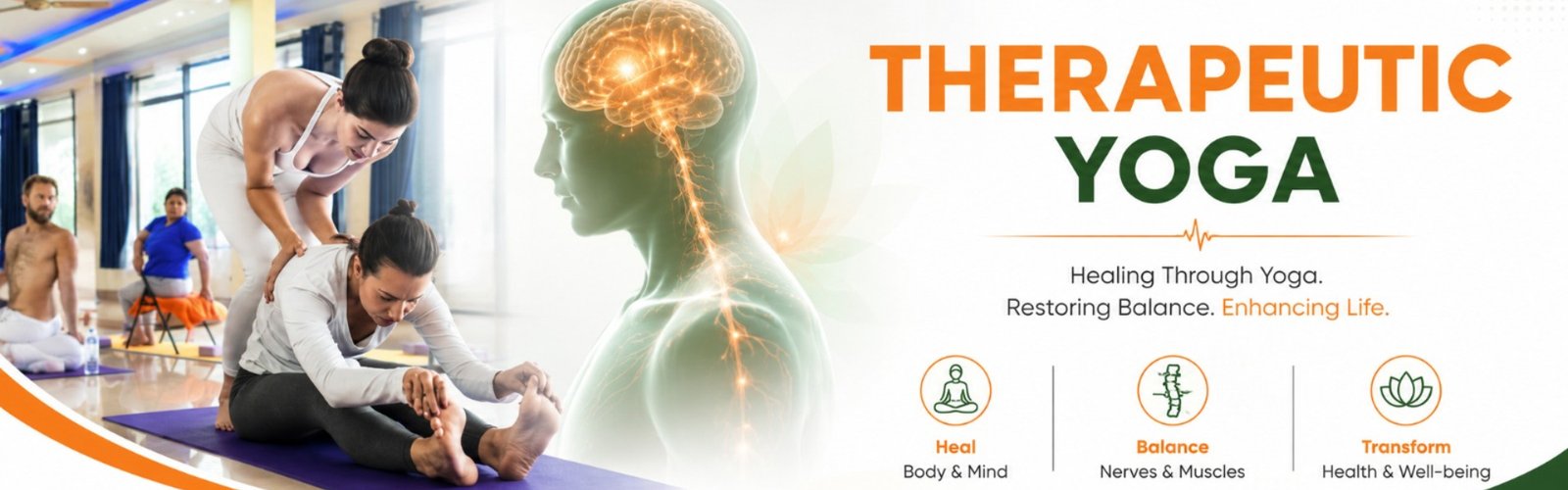


Indian neurotherapy is a unique blend of traditional Indian practices and modern therapeutic techniques designed to address neurological and musculoskeletal issues. At the heart of this approach is yoga, a time-honored practice that enhances both physical and mental well-being. Here’s how yoga is seamlessly integrated into neurotherapy to offer a comprehensive healing experience:

How Yoga is integrated into Neurotherapy

Mind-Body Connection: Yoga harmonize the physical, mental and emotional aspects of health through practices such as asanas(postures), pranayama(breathing exercise) and meditation. This balance is essential in Neurotherapy.

Stress Reduction: Techniques like meditation and pranayama effectively reduce stress and anxiety , which can significantly impact neurological health.

Enhanced Flexibility and Strength: Yoga asanas improve flexibility, strength and balance, crucial for patients recovering from neurological or musculoskeletal conditions.

Pain Management: Specific postures are designed to alleviate pain and enhance mobility, making physical rehabilitation more effective.

Breathing Techniques: Pranayama helps regulate the automatic nervous system, enhancing oxygen supply to the brain and reducing neurological symptoms.

Relaxation: Practices like Yoga Nidra (yogic sleep) promote deep relaxation, aiding in the recovery and regeneration of the nervous system.
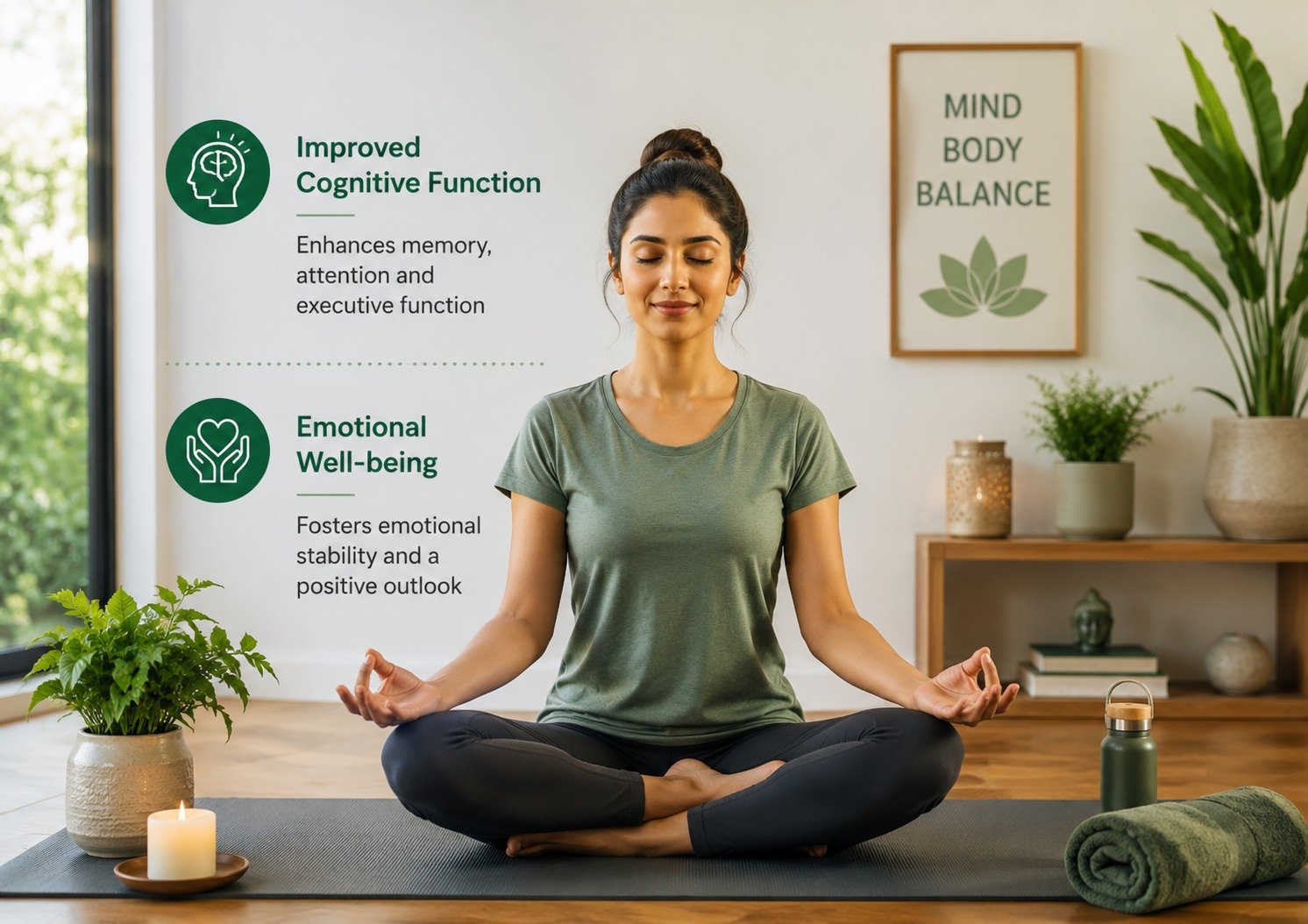
Improved Cognitive Function: Regular yoga practice enhances cognitive functions such as memory, attention and executive function, offered affected in the neurological conditions.

Emotional Well-being: Yoga fosters emotional stability and a positive outlook, benefiting patients dealing with chronic conditions.

Daily Routine: Yoga encourages a disciplined lifestyle and regular routine, complementing the structured nature of neurotherapy treatments.

Balanced Diet: Yoga promotes a balanced diet, which is also emphasized in neurotherapy for optimal neurological function.

Personalized Programs: Yoga practices are tailored to individual patient needs, considering specific neurological or musculoskeletal issues. This customization enhances treatment efficacy.

Complementary Practices: Yoga is used alongside other neurotherapy treatment like acupressure, massage and dietary modifications to provide a comprehensive care plan. 

Chronic Disease Prevention: Regular yoga practice help prevent chronic neurological and musculoskeletal diseases by maintaining overall health and wellness.

Early Inventions: Early Incorporation of yoga in treatment plans can prevent the progression of neurological disorders and improve long-term outcomes.

How Yoga is integrated into Neurotherapy

Point 1

Holistic Approach To Health

Mind-Body Connection

Yoga harmonize the physical, mental and emotional aspects of health through practices such as asanas(postures), pranayama(breathing exercise) and meditation. This balance is essential in Neurotherapy.

Stress Reduction

Techniques like meditation and pranayama effectively reduce stress and anxiety , which can significantly impact neurological health.

Point 2

Physical Rehabilitation

Enhanced Flexibility and Strength

Yoga asanas improve flexibility, strength and balance, crucial for patients recovering from neurological or musculoskeletal conditions.

Pain Management

Specific postures are designed to alleviate pain and enhance mobility, making physical rehabilitation more effective.

Point 3

Nervous System Regulation

Breathing Techniques

Pranayama helps regulate the automatic nervous system, enhancing oxygen supply to the brain and reducing neurological symptoms.

Relaxation

Practices like Yoga Nidra (yogic sleep) promote deep relaxation, aiding in the recovery and regeneration of the nervous system.

Point 4

Mental Health Benefits

Improved Cognitive Function

Regular yoga practice enhances cognitive functions such as memory, attention and executive function, offered affected in the neurological conditions.

Emotional Well-being

Yoga fosters emotional stability and a positive outlook, benefiting patients dealing with chronic conditions.

Point 5

Lifestyle Integration

Daily Routine

Yoga encourages a disciplined lifestyle and regular routine, complementing the structured nature of neurotherapy treatments.

Balanced Diet

Yoga promotes a balanced diet, which is also emphasized in neurotherapy for optimal neurological function.

Point 6

Customized Therapy

Personalized Programs

Yoga practices are tailored to individual patient needs, considering specific neurological or musculoskeletal issues. This customization enhances treatment efficacy.

Complementary Practices

Yoga is used alongside other neurotherapy treatment like acupressure, massage and dietary modifications to provide a comprehensive care plan.

Point 7

Preventive Measures

Chronic Disease Prevention

Regular yoga practice help prevent chronic neurological and musculoskeletal diseases by maintaining overall health and wellness.

Early Inventions

Early Incorporation of yoga in treatment plans can prevent the progression of neurological disorders and improve long-term outcomes.

By integrating yoga into neurotherapy, we offer a multifaceted approach that addresses both the physical and psychological aspects of neurological health. This holistic method leads to more effective and sustainable treatment outcomes, ensuring comprehensive care and enhanced well-being for our patients.

Discover the transformative power of yoga in neurotherapy with our expert practitioners. Embrace a holistic healing journey today!