

Holistic Healing at Neuro Vedic
Living with epilepsy is challenging — not just physically but emotionally and socially too. The uncertainty of when the next seizure may occur, the dependency on long-term medications, and the side effects can feel overwhelming. Many families seek supportive, complementary approaches to enhance their quality of life.
At Neuro Vedic Holistic Health Care, our integrated approach aims to support the nervous system naturally, reduce stress triggers, and promote overall body-mind balance as a supportive complement to medical care.

Understanding This Condition & Natural Support
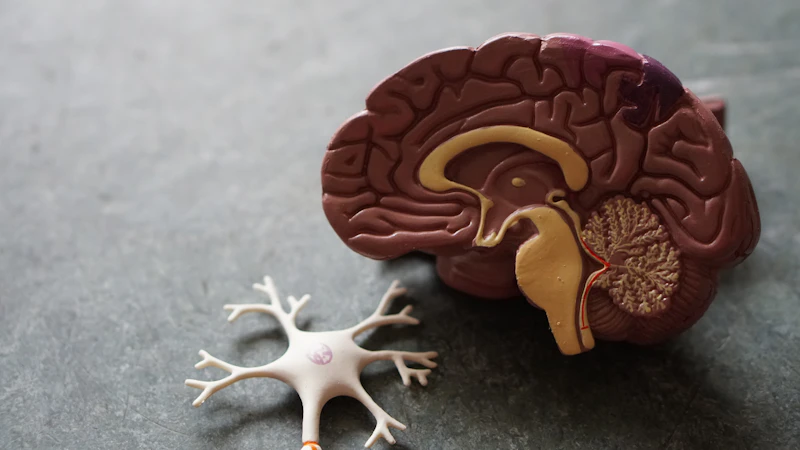
Epilepsy is a chronic neurological disorder characterized by recurrent, unprovoked seizures caused by sudden abnormal electrical activity in the brain. Seizures vary widely — from brief lapses of attention to severe convulsions.
Can This Condition Improve Naturally? The body is always working to maintain balance. Stress, sleep deprivation, nutritional deficiencies, and irregular lifestyle can increase seizure vulnerability. Holistic therapies focus on calming the nervous system, reducing emotional stress, and improving sleep quality to help patients feel more stable in daily life.
Common Symptoms
- Recurrent seizures (convulsions or absence spells)
- Temporary confusion or 'blank stare' episodes
- Uncontrollable jerking of arms and legs
- Loss of consciousness or awareness
- Fear, anxiety, or déjà vu sensations before a seizure (aura)
- Stiffness in the body and tingling/numbness in limbs
- Temporary memory loss and fatigue post-seizure
- Sleep disturbances & emotional mood swings
Causes & Contributing Factors
- Genetic predisposition and family history
- Brain injury, trauma, or stroke
- Nervous system infections (meningitis, encephalitis)
- Sleep deprivation and chronic stress
- Nutritional deficiencies (Vitamin B6, Magnesium, Zinc)
- Hormonal imbalances
- Flickering lights or pattern stimulation
- Fever (especially in young children)
Modern Medical Treatment Approaches
Modern epilepsy management primarily involves anti-epileptic drugs (AEDs) that aim to reduce seizure frequency and intensity. For patients unresponsive to medications, options may include surgery, vagus nerve stimulation (VNS), ketogenic diet therapy, and deep brain stimulation.
Neurological evaluation including EEG and MRI is essential for diagnosis. While medications are effective for many patients, some may experience drug-resistant epilepsy and continue to seek supportive care options.
Long-Term Medication Considerations
- Drowsiness and cognitive slowing with long-term AED use
- Liver stress from metabolizing medications
- Bone density reduction in some cases
- Hormonal imbalances & mood changes (depression/irritability)
- Digestive disturbances & weight changes
- Dependency requiring careful medical supervision to discontinue
How Neuro Vedic Supports You
Neurotherapy
Stimulating specific body points to support nervous system relaxation, improve blood circulation to the brain, and calm the autonomic nervous system.
*Complementary, non-invasive approach.Yogic Science
Pranayama, Nadi Shodhana, and Bhramari breathwork to lower stress, along with Yoga Nidra and meditation for emotional stability.
*Avoid high-intensity or breath-retention practices.Diet & Nutrition
Rich in Magnesium (leafy greens, almonds), Vitamin B6, and Omega-3 fats while avoiding excessive sugar, caffeine, and processed food.
*Consult your neurologist before major changes.Lifestyle Shifts
Maintain consistent sleep-wake times, avoid known personal seizure triggers, reduce night screens, and keep a detailed seizure diary.
*Avoid swimming alone or working at heights.Why Choose Neuro Vedic Holistic Health Care?
We follow an integrated wellness approach that combines multiple natural disciplines. Our focus is to support the body naturally and help individuals improve overall health through holistic care principles — addressing root causes rather than just suppressing symptoms.
Personalized Plans
Custom holistic care maps tailored for every unique patient.
4-In-1 Integration
Neurotherapy + Yogic Science + Nutrition + Lifestyle Guidance combined.
Natural Support
Non-invasive, safe wellness support framework.
Patient-Centered
Compassionate care focusing on your long-term wellbeing.

Frequently Asked Questions
Q1. What are the early warning signs of epilepsy?
Common signs include sudden confusion, blank stare spells, uncontrolled jerking, unusual sensations, and temporary loss of awareness. If these occur repeatedly, medical evaluation is essential.
Q2. Can stress trigger epileptic seizures?
Yes, emotional stress and sleep deprivation are well-known seizure triggers in many people with epilepsy. Stress management is an important part of overall seizure care.
Q3. Can Neurotherapy help people with epilepsy?
Neurotherapy is used as a supportive wellness approach at our center, aiming to relax the nervous system, reduce stress, and improve sleep quality — all supportive factors alongside medical care.
Q4. What dietary changes may support epilepsy management?
A nutrient-rich diet with magnesium, B vitamins, omega-3 fats, and regular meal timing may help. Some patients benefit from ketogenic diet under medical supervision.
Q5. Is yoga safe for epilepsy patients?
Gentle yoga, breathing exercises, and meditation may be beneficial. However, intense practices or breath retention should be avoided without proper guidance and medical clearance.
Q6. Can holistic care replace epilepsy medications?
No. Holistic care is used as a complementary supportive approach alongside prescribed medications, not as a replacement. Always follow your neurologist's advice.