Migraine and Chronic Diseases: How Indian Neurotherapy Offers Lasting Relief

pexels-silverkblack-22046203

Migraine and Chronic Diseases: How Indian Neurotherapy Offers Lasting Relief

A throbbing headache that returns every few weeks. A body that feels tired no matter how much you rest. A diagnosis that gets a label but never really gets
“fixed.” If this sounds familiar, you are not alone. Migraine and other chronic diseases are amongst the most common reasons people walk through our doors at
Neurovedic in Jalandhar — usually after years of painkillers that only mask the problem.

In this article, we explain why migraines and chronic conditions keep coming back, and how Indian Neurotherapy, combined with Ayurveda and Yogic Science,
works at the root level to restore lasting balance.

Why Migraines Become "Chronic"

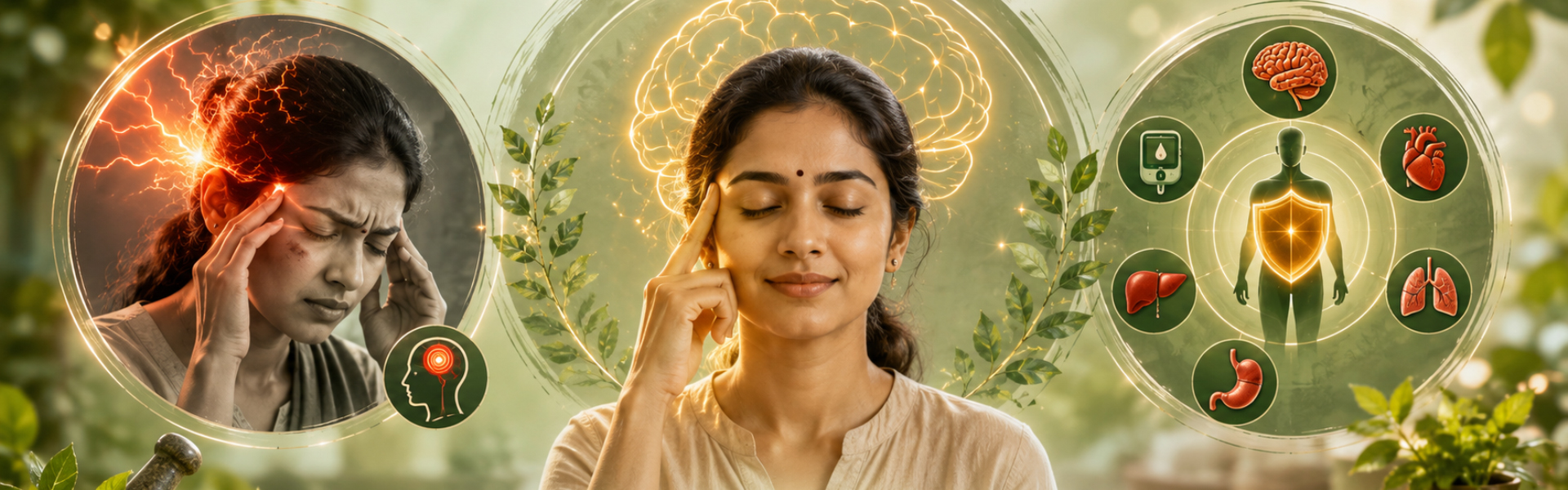
A migraine is rarely just a headache. It is usually the nervous system signalling a deeper imbalance — disturbed blood circulation to the brain, an overloaded liver,
poor gut health, hormonal fluctuation, chronic stress, or a misaligned cervical spine pressing on nerves. Conventional treatment often stops at symptom
suppression: a tablet dulls the pain, but the underlying trigger is left untouched, so the migraine returns.

Left unaddressed, this cycle can extend beyond migraine into other chronic conditions — high blood pressure, thyroid dysfunction, chronic fatigue, insomnia, and
digestive disorders — because the same root causes (nervous system stress, poor circulation, toxin build-up) tend to feed multiple illnesses at once.

The Neurovedic Approach: Diagnose First, Then Heal

Before any treatment begins, we believe in finding out exactly what is wrong. Our diagnostic process typically includes:

  • Quantum Bio-Resonance Scanning — a non-invasive scan that reads subtle stress signals in the body's organs and systems.
  • Nadi Pariksha (Pulse Diagnosis) — the ancient Ayurvedic technique of reading the pulse to understand your body's constitution and current imbalance.
  • Functional Lifestyle Assessment — reviewing sleep, diet, screen time, posture and stress patterns that may be triggering your migraines.
Integrated Migraine Care
Neurotherapy

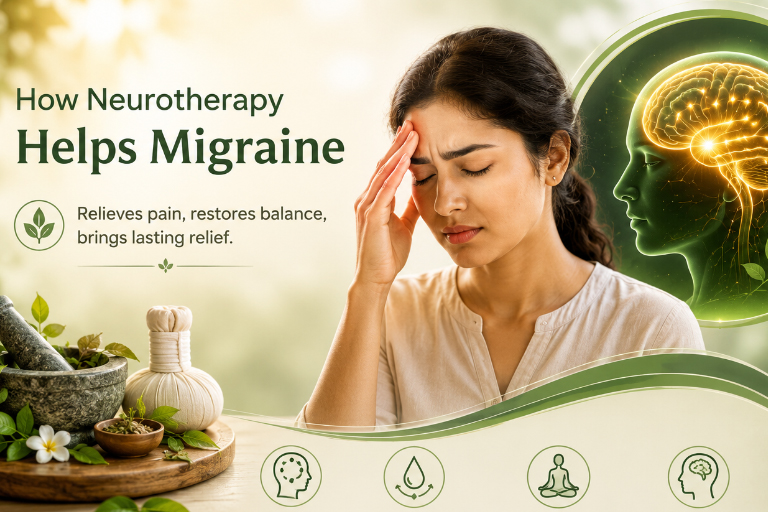
How Neurotherapy Helps Migraine

Neurotherapy is based on Nadi Marma Kriya, a Vedic system of applying precise pressure and strokes to specific neuro-reflex points on the body. For migraine sufferers, this stimulates circulation to the head and neck region, calms an overactive nervous system, and helps correct the neurochemical imbalance that keeps triggering pain — without a single tablet, oil, or invasive procedure.

Ayurvedic Herbs

How Ayurveda and Single Herbs Support Chronic Disease Recovery

Alongside Neurotherapy, single-herb Ayurvedic protocols such as Brahmi, Shankhpushpi and Jatamansi are traditionally used to calm the nervous system, while herbs supporting liver and digestive function help clear the toxic load (Ama) that Ayurveda associates with recurring illness. Because these are single, correctly identified herbs rather than mixed formulations, dosing can be precisely tailored to your body constitution.
Yoga

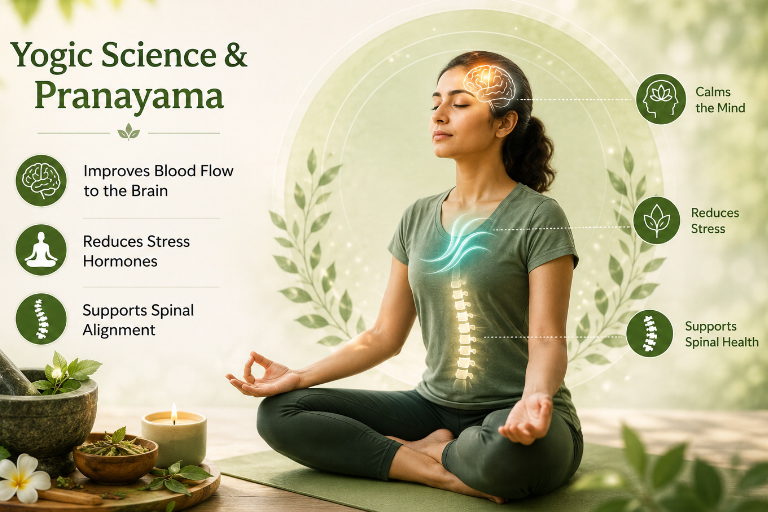
Yogic Science & Pranayama

Specific pranayama sequences — such as Anulom Vilom and Bhramari — are prescribed to regulate blood flow to the brain and lower the stress hormones that are known migraine triggers. Therapeutic asanas further support spinal alignment, which is often an overlooked contributor to tension-type and cervicogenic headaches.

Did You Know

Did You Know?

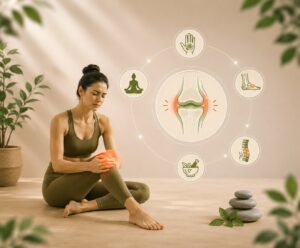
Many patients who visit Neurovedic for migraine relief also discover an underlying thyroid imbalance or cervical spine issue during our comprehensive diagnostic assessment. By identifying and treating the root cause, our approach focuses on achieving lasting recovery rather than providing only temporary symptom relief.

Lifestyle Tips to Reduce Migraine Frequency

  • Maintain consistent sleep timings — irregular sleep is one of the most common migraine triggers.
  • Reduce screen exposure and take regular breaks to rest your eyes.
  • Stay hydrated and avoid long gaps between meals.
  • Practice a short daily pranayama routine to keep the nervous system calm.
  • Identify and limit personal dietary triggers (common ones include excess caffeine, processed food, and irregular eating patterns).

Frequently Asked Questions (FAQs)

Q1. Is Neurotherapy painful?

No. Neurotherapy involves gentle, precise pressure on specific points — most patients describe it as soothing rather than uncomfortable.

Q2. How many sessions are needed to see results?

This varies by individual and the depth of the underlying imbalance. Many patients report noticeable relief within a few sessions, while chronic, long-standing
conditions typically need a longer, personalised protocol.

Q3. Can Neurotherapy be combined with my current medication?

Neurotherapy and Ayurveda are natural, non-invasive approaches that can generally be used alongside conventional care. We recommend discussing your full 
treatment history with our team during your diagnostic consultation.

Ready to find the real cause of your migraine?

Book a Quantum Diagnostic Session at Neurovedic, Jalandhar, and start a personalised, natural healing protocol — call +91-94630-62141 or +91-98151-87171.

At Neurovedic