Infertility (Natural Support) & Menopause
Management: Natural Holistic Support Through
Neurotherapy, Yogic Science & Lifestyle Healing
Holistic Healing at Neuro Vedic
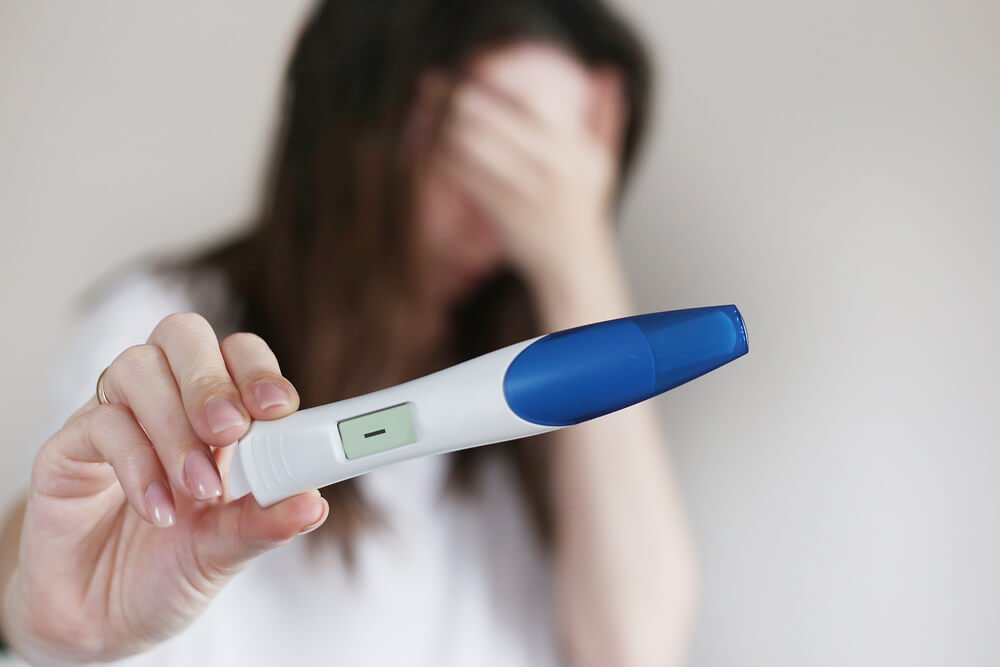
The longing for a child and the uncertainty of infertility. The physical and emotional rollercoaster of menopause. These are two of the most significant hormonal transitions in a woman’s life — both deeply personal, often misunderstood, and frequently underserved by conventional care alone.
At Neuro Vedic Holistic Health Care, we offer compassionate, evidence-informed holistic support for both fertility challenges and menopausal management through Neurotherapy, Yogic Science, Nutritional Guidance, and Lifestyle Modification.
Can This Condition Improve Naturally?
Fertility and hormonal health are profoundly sensitive to stress, nutrition, sleep, and overall body balance.
Holistic care can support the body’s natural hormonal rhythms, improve egg quality and uterine health, and
help women navigate menopause with greater ease and resilience. These approaches complement —
never replace — appropriate medical fertility treatment or gynecological care.
Understanding This Condition
Infertility is defined as inability to conceive after 12 months of unprotected intercourse (or 6 months for women over 35). It affects approximately 10-15% of couples globally, with both male and female factors each contributing roughly 30-40% of cases. Menopause is the natural cessation of menstrual cycles at an average age of 51, marked by declining estrogen and progesterone. The perimenopausal transition can last 4-10 years, with significant physical and emotional symptoms.
Common Symptoms
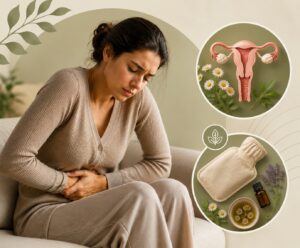
Infertility: Irregular or absent periods, PCOS, and signs of endometriosis.
Infertility: Recurrent miscarriage and markers of hormonal imbalance.
Infertility: Low AMH levels or FSH abnormalities identified through testing.
Infertility: Male factor infertility, including low sperm count or reduced motility (requires medical evaluation).
Menopause: Hot flashes and night sweats.
Menopause: Irregular or absent menstrual periods.
Menopause: Vaginal dryness and discomfort.
Menopause: Sleep disturbances and insomnia.
Menopause: Mood changes, including anxiety, depression, and irritability.
Menopause: Cognitive changes such as brain fog and difficulty concentrating.
Menopause: Increased risk of reduced bone density and osteoporosis.
Infertility — Both: Chronic stress, nutritional deficiencies, and obesity.
Infertility — Both: Environmental toxin exposure and lifestyle-related factors.
Menopause: Natural age-related decline in ovarian function and hormone production.
Early Menopause: May be associated with autoimmune conditions, surgical causes, or genetic factors.
Severity Influenced By: Stress levels, nutrition, exercise habits, and gut health.
Modern Medical Treatment Approaches
Infertility treatment: ovulation induction, IUI, IVF, hormonal medications, surgery for endometriosis or
fibroids, and male factor treatment. Menopause: hormone replacement therapy (HRT), selective estrogen
receptor modulators, and non-hormonal options for symptom management. Both require thorough medical
evaluation.
Understanding Long-Term Medication Considerations
Fertility Medications: May carry risks such as ovarian hyperstimulation and mood changes.
IVF (In Vitro Fertilization): Can involve significant emotional, physical, and financial demands.
HRT (Hormone Replacement Therapy): Some preparations may be associated with a slight increase in certain cancer risks; discussion with a healthcare provider is essential.
Non-HRT Medications: May also have potential side effects that should be reviewed with a healthcare professional.
How Neurotherapy May Support This Condition
Neurotherapy at Neuro Vedic may support fertility patients by: reducing stress hormones (cortisol,
adrenaline) that disrupt reproductive hormones, improving pelvic blood circulation to the uterus and
ovaries, supporting hormonal balance through nervous system regulation, and improving sleep and
emotional wellbeing during the difficult fertility journey. For menopause, Neurotherapy may help manage
hot flashes, sleep disturbances, and emotional symptoms through nervous system calming.
Role of Yogic Science
Fertility: Viparita Karani (Legs-Up-the-Wall Pose) to support pelvic circulation and relaxation.
Fertility: Meditation to help reduce fertility-related stress and anxiety.
Fertility: Pranayama practices to support hormonal balance and overall wellbeing.
Menopause: Cooling pranayama techniques such as Sitali and Sitkari for managing hot flashes.
Menopause: Restorative yoga practices to support sleep quality and emotional balance.
Menopause: Weight-bearing yoga postures to help maintain bone density and strength.
Diet & Nutrition Support
Fertility: Folate-rich foods such as leafy greens and legumes (critical during the pre-conception period).
Fertility: Antioxidant-rich foods and nutrients to support egg and sperm quality, including berries, Vitamin E, and Vitamin C.
Fertility: Iron, Vitamin B12, and Vitamin D to support hormonal balance and healthy menstrual cycles.
Menopause: Phytoestrogen-rich foods such as flaxseeds, soy products, and chickpeas.
Menopause: Calcium and Vitamin D for bone density and skeletal health.
Menopause: Omega-3 fatty acids to support mood, cardiovascular health, and joint function.
Both Fertility & Menopause: Follow an anti-inflammatory diet and limit processed foods and excess sugar.
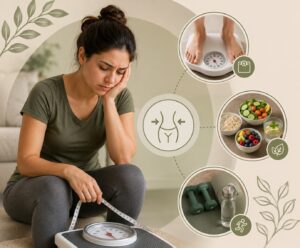
Both Fertility & Menopause: Maintain a healthy body weight to support hormonal and metabolic health.
Lifestyle Modifications for Better Health
Fertility: Stress management is one of the most impactful factors influencing reproductive health.
Fertility: Maintain a healthy body weight, as both underweight and overweight conditions can affect fertility.
Fertility: Avoid smoking, alcohol, and exposure to environmental toxins.
Fertility: Engage in regular physical activity while avoiding excessive exercise.
Menopause: Incorporate weight-bearing exercises to support bone health and reduce osteoporosis risk.
Menopause: Dress in layers and keep the bedroom cool to help manage hot flashes and night sweats.
Menopause: Prioritize quality sleep and effective stress management strategies.
Both Fertility & Menopause: Maintain regular medical monitoring and seek professional healthcare guidance.
Why Choose Neuro Vedic Holistic Health Care?
At Neuro Vedic Holistic Health Care, we follow an integrated wellness approach that combines
Neurotherapy, Yogic Science, Diet & Nutrition Guidance, and Lifestyle Modification. Our focus is to
support the body naturally and help individuals improve overall health through holistic care principles —
addressing root causes rather than just suppressing symptoms.
Personalized holistic care plans tailored to the unique needs of each patient.
Integrated approach combining Neurotherapy, Yogic Science, Nutrition, and Lifestyle Guidance.
Non-invasive, natural wellness support designed to complement overall health and wellbeing.
Focus on root causes while promoting long-term health, balance, and wellbeing.
Compassionate, patient-centered care with individualized attention and support.
Frequently Asked Questions (FAQs)
Q1. Can holistic care improve fertility naturally?
Stress reduction, nutritional optimization, and healthy lifestyle improvements can positively influence
hormonal balance and fertility. These complement — but do not replace — fertility medical treatment.
Q2. What causes hot flashes in menopause?
Hot flashes result from hormonal fluctuations affecting the hypothalamus (the body’s thermostat). They
can be managed through HRT, lifestyle changes, and holistic approaches.
Q3. How does Neurotherapy support fertility?
By reducing cortisol and improving pelvic circulation, Neurotherapy may create a more favorable
hormonal and physical environment for conception — as a supportive complement to fertility care.
Q4. What foods support fertility?
Folate, antioxidants, iron, Vitamin D, B12, omega-3 fats, and healthy body weight are all important
nutritional factors for fertility in both men and women.
Q5. Can yoga help with menopausal symptoms?
Yes. Cooling pranayama, restorative yoga, and weight-bearing poses can help manage hot flashes,
sleep disturbances, mood changes, and bone density during menopause.
Q6. When should I see a doctor about fertility concerns?
After 12 months of trying (or 6 months if over 35), seek evaluation. Sooner if you have known conditions
like PCOS, endometriosis, or irregular cycles.