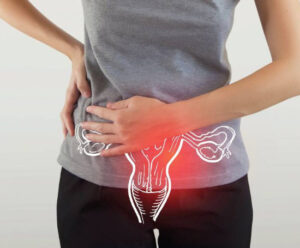
PCOD / PCOS: Natural Holistic Support Through
Neurotherapy, Yogic Science & Lifestyle Healing
Holistic Healing at Neuro Vedic
Irregular periods, unwanted hair growth, weight gain, acne, and fertility concerns — PCOD and PCOS are affecting an increasing number of women of reproductive age, often silently and without proper understanding of root causes
At Neuro Vedic Holistic Health Care, we approach PCOD/PCOS through a holistic, root-cause-focused
model that combines Neurotherapy for hormonal nervous system support, Yogic Science for stress and
hormonal balance, Nutritional Guidance for insulin and androgen regulation, and Lifestyle Modification for
sustainable hormonal health.
Can This Condition Improve Naturally?
PCOS is fundamentally a hormonal and metabolic disorder that the body is constantly trying to balance.
Many women have seen significant improvement in their symptoms through consistent lifestyle changes,
dietary modification, stress management, and holistic therapies — without medication or with reduced
medication over time (always under medical supervision). The body wants to find balance; it needs the
right support to do so.
Understanding This Condition
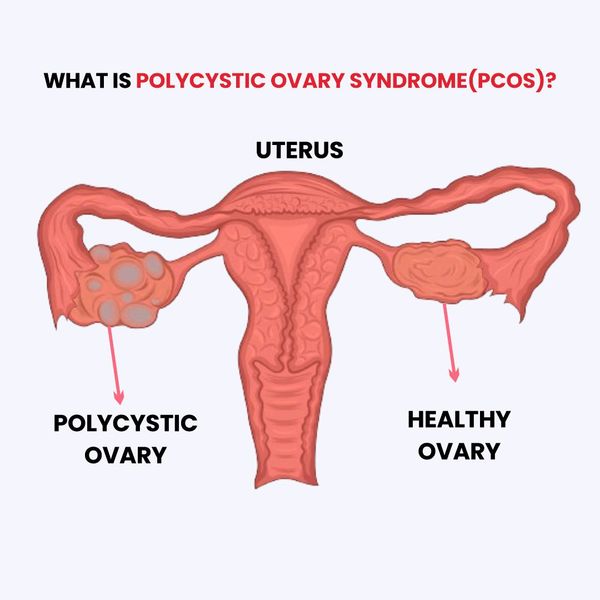
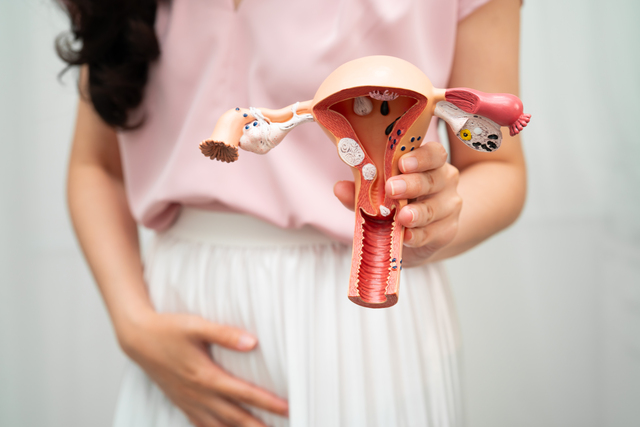
PCOS (Polycystic Ovary Syndrome) is one of the most common hormonal disorders affecting women of
reproductive age, estimated to affect 1 in 10 women. It is characterized by hormonal imbalance — excess
androgens (male hormones), irregular or absent ovulation, and often the presence of multiple small cysts
on the ovaries. PCOD refers to a condition where the ovaries produce immature eggs that accumulate as
cysts. PCOS is associated with insulin resistance, metabolic syndrome, and increased risk of Type 2
diabetes.
Common Symptoms
Irregular, infrequent, or absent menstrual periods.
Heavy or prolonged menstrual bleeding.
Excess facial and body hair growth (hirsutism).
Acne and oily skin.
Hair thinning or scalp hair loss.
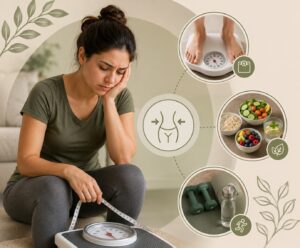
Weight gain, especially around the abdominal area.
Difficulty losing weight despite efforts.
Darkening of skin in body folds (acanthosis nigricans).
Mood swings, anxiety, and depression.
Fatigue and low energy levels.
Difficulty conceiving (fertility challenges).
Pelvic pain in some cases.
Causes & Contributing Factors
Insulin resistance — present in approximately 70% of PCOS cases.
Hormonal imbalance, including elevated androgens and LH/FSH ratio disruption.
Genetic predisposition contributing to metabolic and hormonal imbalance.
Chronic stress and elevated cortisol levels affecting endocrine function.
Inflammatory diet and lifestyle patterns.
Gut dysbiosis and microbiome imbalance.
Sedentary lifestyle and lack of physical activity.
Nutritional deficiencies including Vitamin D, Magnesium, and Inositol.
Exposure to environmental endocrine disruptors.
Thyroid dysfunction, which often co-occurs with PCOS.
Modern Medical Treatment Approaches
Medical management of PCOS includes oral contraceptives for cycle regulation, anti-androgens for hair
and acne control, metformin for insulin resistance, and clomiphene/letrozole for fertility support. Lifestyle
intervention — particularly weight management, dietary change, and exercise — is considered the first-line
treatment for most women with PCOS.
Understanding Long-Term Medication Considerations
Incorrect levothyroxine dose: May cause palpitations or increase risk of osteoporosis over time.
Anti-thyroid drugs: May affect liver function and white blood cell counts.
Radioactive iodine therapy: Often leads to permanent hypothyroidism requiring lifelong hormone replacement.
Long-term management: Regular monitoring and dose adjustment are essential for safety and effectiveness.
How Neurotherapy May Support This Condition
Neurotherapy may support thyroid patients by: reducing chronic stress that disrupts the hypothalamic-pituitary-thyroid (HPT) axis, improving blood circulation to the thyroid region, supporting hormonal balance through nervous system regulation, reducing fatigue through improved body circulation, and supporting overall endocrine system wellness. Neurotherapy is used as a supportive complement to medical thyroid management.
Role of Yogic Science
Sarvangasana (Shoulder Stand): Traditionally associated with support for thyroid function and circulation in the neck region.
Matsyasana (Fish Pose): Opens the throat and may help stimulate the thyroid area.
Ujjayi Pranayama (Victorious Breath): Supports relaxation and may assist in balancing thyroid-related stress responses.
Halasana (Plow Pose): Considered beneficial for overall hormonal balance and nervous system relaxation.
Meditation and stress reduction: Supports regulation of the HPT axis and overall endocrine balance.
Note: Individuals with hyperthyroidism should practice gentler variations and avoid overexertion or unsupported inversions.
Diet & Nutrition Support
Iodine-containing foods: Seaweed and iodized salt (important for hypothyroidism in appropriate amounts).
Selenium: Brazil nuts and sunflower seeds support thyroid hormone conversion and immune balance.
Zinc: Pumpkin seeds and legumes help support thyroid function and metabolic health.
Vitamin D: Obtained from sunlight exposure and fortified foods; supports immune and hormonal regulation.
Anti-inflammatory foods: Turmeric, ginger, and berries help reduce inflammation in the body.
Avoid (in excess): Raw cruciferous vegetables, especially in hypothyroidism.
Avoid (in sensitive individuals): Excess soy and gluten, which may act as potential thyroid disruptors.
Probiotic foods: Support gut microbiome health, which is closely linked with autoimmune thyroid conditions.
Lifestyle Modifications for Better Health
Regular thyroid monitoring: Periodic blood tests are essential to track hormone levels and adjust treatment when needed.
Stress management: Chronic stress can worsen thyroid function and should be actively managed.
Consistent sleep patterns: Supports hormonal balance and overall endocrine health.
Regular physical activity: Exercise should be tailored to individual energy levels and tolerance.
Avoid environmental toxins: Reduce exposure where possible to support overall thyroid health.
Medication timing: Take thyroid medication at the same time daily for best effectiveness.
Regular medical follow-up: Ensures proper dose adjustment and ongoing monitoring.
Mind-body practices: Such as meditation and relaxation techniques help support hormonal balance.
Why Choose Neuro Vedic Holistic Health Care?
At Neuro Vedic Holistic Health Care, we follow an integrated wellness approach that combines
Neurotherapy, Yogic Science, Diet & Nutrition Guidance, and Lifestyle Modification. Our focus is to
support the body naturally and help individuals improve overall health through holistic care principles —
addressing root causes rather than just suppressing symptoms.
Regular thyroid monitoring: Periodic blood tests are essential to track hormone levels and adjust treatment when needed.
Stress management: Chronic stress can worsen thyroid function and should be actively managed.
Consistent sleep patterns: Supports hormonal balance and overall endocrine health.
Regular physical activity: Exercise should be tailored to individual energy levels and tolerance.
Avoid environmental toxins: Reduce exposure where possible to support overall thyroid health.
Medication timing: Take thyroid medication at the same time daily for best effectiveness.
Regular medical follow-up: Ensures proper dose adjustment and ongoing monitoring.
Mind-body practices: Such as meditation and relaxation techniques help support hormonal balance.
Personalized holistic care plans: Designed according to each patient’s unique health condition, lifestyle, and needs.
Integrated approach: Combination of Neurotherapy, Yogic Science, Nutrition, and Lifestyle Guidance.
Non-invasive, natural support: Focused on safe, gentle, and natural methods for overall wellbeing.
Root-cause focus: Aims to address underlying factors for long-term health improvement.
Compassionate, patient-centered care: Prioritizes empathy, support, and individualized attention.
Frequently Asked Questions (FAQs)
Q1. What are the main symptoms of PCOS?
Irregular periods, excess body hair, acne, weight gain, hair thinning, and mood changes are common
symptoms. Fertility challenges are also associated with PCOS.
Q2. Can PCOS be managed naturally?
Many women significantly improve PCOS symptoms through diet, exercise, stress management, and
holistic therapies. However, medical guidance is important, especially for fertility or severe hormonal
imbalance.
Q3. Does stress make PCOS worse?
Yes. Chronic stress elevates cortisol, which worsens insulin resistance and androgen production —
both central to PCOS. Stress management is a key part of PCOS care.
Q4. What diet is best for PCOS?
A low-GI, anti-inflammatory diet rich in fiber, vegetables, lean protein, and healthy fats, while reducing
refined carbs, excess dairy, and sugar, is most beneficial for PCOS.
Q5. Can yoga help with PCOS?
Yes. Specific yoga poses support hormonal balance, reduce stress, improve insulin sensitivity, and
support weight management — all important for PCOS.
Q6. How does Neurotherapy support PCOS?
Neurotherapy may reduce stress hormones, support hormonal regulation through nervous system
balance, and improve pelvic circulation — all supportive of hormonal health in PCOS.