Irregular Periods, Dysmenorrhea & Leucorrhoea:
Natural Holistic Support Through Neurotherapy,
Yogic Science & Lifestyle Healing
Holistic Healing at Neuro Vedic
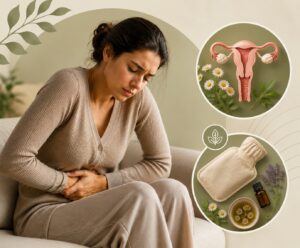
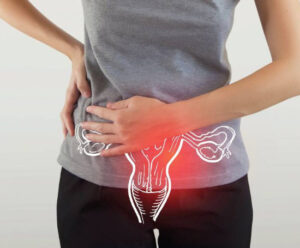
Painful cramps that leave you bedridden for days. Cycles so irregular that they’re impossible to predict. Abnormal discharge causing discomfort and worry. These are not issues to simply endure — they are signals from your body that need attention.
At Neuro Vedic Holistic Health Care, we support women’s menstrual health through a holistic approach
combining Neurotherapy for hormonal nervous system balance, Yogic Science for pelvic health, Nutritional
Guidance for hormonal balance, and Lifestyle Modification for cycle regulation.
Can This Condition Improve Naturally?
Menstrual irregularities often signal underlying hormonal, nutritional, or lifestyle imbalances. The body’s
menstrual cycle is highly sensitive to stress, sleep, nutrition, and overall health. With the right holistic
support, many women experience significant improvement in cycle regularity, pain reduction, and overall
reproductive health — often alongside appropriate medical guidance.
Understanding This Condition
Irregular periods (oligomenorrhea, amenorrhea) refer to menstrual cycles that are consistently too long,
too short, or absent. Dysmenorrhea refers to painful menstruation — either primary (no underlying cause)
or secondary (due to endometriosis, fibroids, etc.). Leucorrhoea is abnormal vaginal discharge. These
conditions affect a significant proportion of women of reproductive age and may be linked to hormonal
imbalance, infections, stress, nutritional deficiencies, and conditions like PCOS.
Common Symptoms
Irregular or absent menstrual cycles.
Very heavy or very light menstrual flow.
Severe cramps before or during menstruation.
Nausea, vomiting, or diarrhea associated with periods.
Back and leg pain during menstruation.
Bloating and breast tenderness.
Abnormal vaginal discharge (white, yellow, or foul-smelling).
Itching or burning sensation in the genital area.
Fatigue or low energy levels around menstruation.
Mood swings, irritability, and emotional fluctuations.
Premenstrual headaches or migraines.
Difficulty conceiving related to irregular menstrual cycles.
Causes & Contributing Factors
Hormonal imbalance, including disruptions in estrogen and progesterone levels.
PCOS (Polycystic Ovary Syndrome) — one of the most common causes of irregular menstrual cycles.
Nutritional deficiencies, including Iron, Vitamin B12, Vitamin D, and Zinc.
Anemia and related nutrient deficiencies.
Excessive weight loss or significant weight gain.
Excessive exercise or very low body fat percentage.
Endometriosis, a common cause of secondary dysmenorrhea.
Uterine fibroids or polyps.
Bacterial or yeast infections associated with leucorrhoea (abnormal vaginal discharge).
Sedentary lifestyle and lack of regular physical activity.
Modern Medical Treatment Approaches
Treatment depends on underlying cause. Hormonal therapy (oral contraceptives) for cycle regulation, NSAIDs for dysmenorrhea, antifungals or antibiotics for infections, iron and nutritional supplementation for deficiencies. Investigations including ultrasound, hormonal panels, and vaginal culture are important for proper diagnosis.
Understanding Long-Term Medication Considerations
Oral contraceptives: May cause side effects such as mood changes, decreased libido, nausea, and headaches in some individuals.
Long-term NSAID use for dysmenorrhea: May affect gastric health and increase the risk of stomach irritation or discomfort.
Hormonal medications: Require regular monitoring and appropriate dose adjustments under medical supervision.
How Neurotherapy May Support This Condition
Neurotherapy may support women’s menstrual health by: reducing stress hormones that disrupt the
menstrual cycle, supporting blood circulation to the reproductive organs, calming the pelvic nervous
system, reducing uterine cramping through muscle relaxation support, supporting hormonal balance
through nervous system regulation, and improving sleep and emotional wellbeing during the menstrual
cycle.
Role of Yogic Science
Baddha Konasana (Butterfly Pose): Supports pelvic circulation and flexibility.
Supta Baddha Konasana (Reclining Butterfly Pose): Encourages relaxation and comfort in the pelvic region.
Malasana (Garland Pose): Helps support pelvic floor health and mobility.
Child's Pose (Balasana): May provide relief from menstrual cramps and lower back discomfort.
Ardha Matsyendrasana (Half Spinal Twist): Traditionally practiced to support overall hormonal balance and wellbeing.
Pranayama: Useful for stress reduction, relaxation, and pain management.
Avoid: Inversions and high-intensity yoga practices during heavy menstrual flow.
Diet & Nutrition Support
Iron-rich foods for heavy period-related anemia: Spinach, lentils, jaggery, and other iron-rich foods.
Vitamin C: Consume with iron-rich foods to enhance iron absorption.
Calcium and Magnesium: May help support muscle relaxation and reduce menstrual cramps.
Omega-3 fatty acids: Support prostaglandin balance and may help reduce cramp severity.
Probiotic foods: Support vaginal and gut microbiome health.
Vitamin D and B-Complex Vitamins: Important for hormonal balance and overall wellbeing.
Avoid: Excess sugar, dairy, caffeine, and fried foods during menstruation if they worsen symptoms.
Adequate hydration: Drink sufficient water and warm beverages for comfort and overall health.
Lifestyle Modifications for Better Health
Consistent sleep and stress management: Important for maintaining hormonal balance and overall wellbeing.
Regular moderate physical activity: Supports healthy hormone function and menstrual regularity.
Maintain a healthy body weight: Both underweight and overweight conditions can affect menstrual health.
Practice good intimate hygiene: Helps support vaginal health and may reduce the risk of leucorrhoea-related issues.
Track your menstrual cycle: Helps identify patterns, irregularities, and symptom changes over time.
Seek medical evaluation: Important for persistent menstrual irregularities or concerning symptoms.
Manage underlying conditions: Such as PCOS, thyroid disorders, and anemia.
Avoid: Douching and excessive use of intimate hygiene products, which may disrupt the natural vaginal environment.
Why Choose Neuro Vedic Holistic Health Care?
At Neuro Vedic Holistic Health Care, we follow an integrated wellness approach that combines
Neurotherapy, Yogic Science, Diet & Nutrition Guidance, and Lifestyle Modification. Our focus is to
support the body naturally and help individuals improve overall health through holistic care principles —
addressing root causes rather than just suppressing symptoms.
Personalized holistic care plans designed to meet the unique needs of each patient.
Integrated approach combining Neurotherapy, Yogic Science, Nutrition, and Lifestyle Guidance.
Non-invasive and natural wellness support aimed at enhancing overall health and wellbeing.
Focus on root causes while promoting sustainable, long-term wellness.
Compassionate, patient-centered care with individualized attention and support throughout the wellness journey.
Frequently Asked Questions (FAQs)
Q1. What causes irregular periods?
PCOS, thyroid disorders, hormonal imbalance, stress, significant weight changes, nutritional
deficiencies, and excessive exercise are common causes. Medical evaluation is important.
Q2. Can dysmenorrhea be managed naturally?
Yes. Omega-3 nutrition, magnesium, heat therapy, yoga, and stress reduction may significantly reduce
menstrual cramp severity. Severe pain requires medical evaluation to rule out endometriosis.
Q3. What causes leucorrhoea?
Normal discharge is clear or white and odorless. Yellow, green, or foul-smelling discharge with itching
suggests infection requiring medical evaluation.
Q4. How does Neurotherapy support menstrual health?
Neurotherapy may reduce stress hormones, support pelvic circulation, calm nervous system
involvement in uterine cramping, and support hormonal balance.
Q5. Can yoga help with period pain?
Yes. Specific yoga poses like butterfly, child’s pose, and gentle twists can reduce cramping, improve
pelvic circulation, and ease menstrual discomfort.
Q6. What nutrients are important for menstrual health?
Iron, magnesium, calcium, omega-3, Vitamin D, B12, and zinc are all important for regular, comfortable
menstrual cycles.