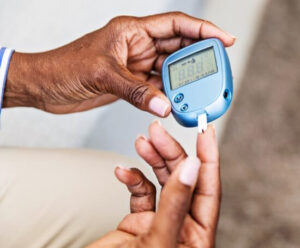
Diabetes (Type 2 Management): Natural Holistic
Support Through Neurotherapy, Yogic Science &
Lifestyle Healing
Holistic Healing at Neuro Vedic
Type 2 diabetes has become one of the most prevalent chronic health conditions worldwide — and India is among the most affected nations. Beyond managing blood sugar levels, diabetes has far-reaching effects on the heart, kidneys, nerves, eyes, and overall quality of life. Many patients feel overwhelmed by lifelong medication dependency and the risk of complications.
At Neuro Vedic Holistic Health Care, we believe that blood sugar can be significantly influenced by
lifestyle, diet, stress management, and nervous system health. Through Neurotherapy, Yogic Science,
Nutritional Guidance, and Lifestyle Modification, we aim to support patients in achieving better metabolic
health naturally alongside medical management.
Can This Condition Improve Naturally?
Type 2 diabetes is largely a lifestyle and metabolic condition — meaning it is significantly influenced by
what we eat, how we move, how we sleep, and how we manage stress. The body’s insulin sensitivity can
improve with the right interventions. Many patients have achieved remarkable improvements in blood
sugar control through consistent lifestyle changes, and holistic care provides a structured, supportive
framework for making those changes.
Understanding This Condition
Type 2 diabetes is a chronic metabolic disorder characterized by high blood glucose levels resulting from
insulin resistance — a condition where cells fail to respond effectively to insulin. Over time, the pancreas
may also reduce insulin production. Unlike Type 1 (autoimmune), Type 2 is strongly associated with
lifestyle factors. India has over 77 million people with diabetes, making it the second-highest globally.
Complications include neuropathy, nephropathy, retinopathy, and cardiovascular disease.
Common Symptoms
Frequent urination
Excessive thirst
Unexplained fatigue
Blurred vision
Slow-healing wounds
Frequent infections
Tingling or numbness in hands and feet (neuropathy)
Unexplained weight loss or gain
Darkening of skin in skin folds (acanthosis nigricans)
Increased hunger
Brain fog
Dry skin
Causes & Contributing Factors
Insulin resistance due to excess body fat, especially abdominal
Sedentary lifestyle
Unhealthy diet: high sugar, refined carbohydrates, trans fats
Genetic predisposition
Chronic stress and elevated cortisol
Sleep deprivation impairing insulin sensitivity
Hormonal imbalances (PCOS, thyroid)
Gut dysbiosis and inflammation
Nutritional deficiencies: Chromium, Magnesium, Vitamin D
Excess alcohol consumption
Aging and reduced metabolic rate
Understanding Long-Term Medication Considerations
Metformin may cause digestive discomfort initially
Sulfonylureas carry risk of hypoglycemia
Long-term insulin use associated with weight gain
Some medications affect kidneys (regular monitoring essential)
Risk of hypoglycemia with intensive glucose management
How Neurotherapy May Support This Condition
Diabetes-related neuropathy (nerve damage) is one of the most common complications. Neurotherapy at
Neuro Vedic may support: improved peripheral blood circulation, relief of tingling and numbness in
extremities, nerve stimulation support, stress reduction (which directly affects blood glucose), muscular
relaxation, and overall metabolic wellness support. Regular Neurotherapy may help patients feel more
comfortable and active.
Role of Yogic Science
Surya Namaskar to improve insulin sensitivity
Dhanurasana (Bow pose) for pancreatic stimulation
Ardha Matsyendrasana (Spinal Twist) for metabolic support
Pranayama for stress reduction and cortisol management
Mandukasana (Frog pose) for abdominal organ stimulation
Meditation for stress management
Brisk walking — one of the most effective insulin-sensitizing activities
Diet & Nutrition Support
Low glycemic index foods: brown rice, oats, lentils, vegetables
High fiber: helps slow glucose absorption
Chromium-rich foods: broccoli, barley, green beans
Magnesium: almonds, dark leafy greens
Cinnamon: may support insulin sensitivity
Bitter melon (karela) in traditional use
Adequate hydration
Avoid: white rice, refined flour, sugary drinks, fried food, excess fruit juice
Small, frequent meals to prevent glucose spikes
Lifestyle Modifications for Better Health
Minimum 30 minutes of moderate physical activity daily
Regular medical follow-up and complication screening
Quit smoking and limit alcohol
Why Choose Neuro Vedic Holistic Health Care?
At Neuro Vedic Holistic Health Care, we follow an integrated wellness approach that combines Neurotherapy, Yogic Science, Diet & Nutrition Guidance, and Lifestyle Modification. Our focus is to support the body naturally and help individuals improve overall health through holistic care principles — addressing root causes rather than just suppressing symptoms.
In early stages, Type 2 diabetes can sometimes be put into remission through significant weight loss,
dietary change, and exercise. However, this requires sustained lifestyle commitment and medical
guidance.
Q2. What foods should diabetics avoid?
Refined carbohydrates, sugary drinks, white rice, fried food, excessive fruit juice, and trans fats should
be minimized. A low-GI, high-fiber diet is most beneficial.
Q3. How does stress affect blood sugar?
Chronic stress elevates cortisol, which raises blood glucose levels and worsens insulin resistance —
making stress management an essential component of diabetes care.
Q4. Can Neurotherapy help diabetic neuropathy?
Neurotherapy may support improved peripheral circulation and nerve stimulation, potentially helping
reduce the discomfort of tingling and numbness associated with diabetic neuropathy
Q5. Is yoga beneficial for diabetes management?
Yes. Yoga improves insulin sensitivity, reduces stress, supports weight management, and improves
overall metabolic health — making it an effective complement to medical diabetes care
Q6. How often should diabetics monitor blood glucose?
Frequency depends on treatment regimen and doctor’s advice. Regular HbA1c testing (every 3 months)
and self-monitoring as directed are important for safe management.