Arthritis & Joint Pain

banner 11.jpg

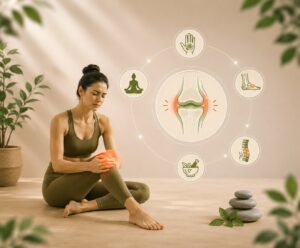
Arthritis & Joint Pain: Natural Holistic Support Through Neurotherapy, Yogic Science & Lifestyle Healing

Holistic Healing at Neuro Vedic

Waking up to stiff, painful joints. Struggling to open a jar, climb stairs, or walk comfortably. Arthritis and
chronic joint pain affect millions of people and can progressively rob individuals of their independence and
quality of life.

At Neuro Vedic Holistic Health Care, we approach joint health through a comprehensive holistic framework
— Neurotherapy to support pain relief and nerve health, Yogic Science for gentle joint mobility and
strength, Nutritional Guidance for anti-inflammatory support, and Lifestyle Modification to reduce joint load
and inflammation.

Can This Condition Improve Naturally?

Arthritis is not simply a consequence of aging that must be passively accepted. The body’s inflammatory
response can be significantly influenced by diet, exercise, stress, and holistic therapies. Many patients
experience meaningful improvements in pain levels, stiffness, and function through consistent natural
approaches — alongside appropriate medical management.

Understanding This Condition

Arthritis refers to inflammation of the joints, with over 100 different types. The most common are
Osteoarthritis (OA) — wear-and-tear degeneration of cartilage — and Rheumatoid Arthritis (RA) — an
autoimmune condition. OA typically affects weight-bearing joints (knees, hips, spine). RA is systemic and
can affect multiple joints simultaneously, along with other organs. Arthritis affects over 350 million people
globally and is a leading cause of disability.

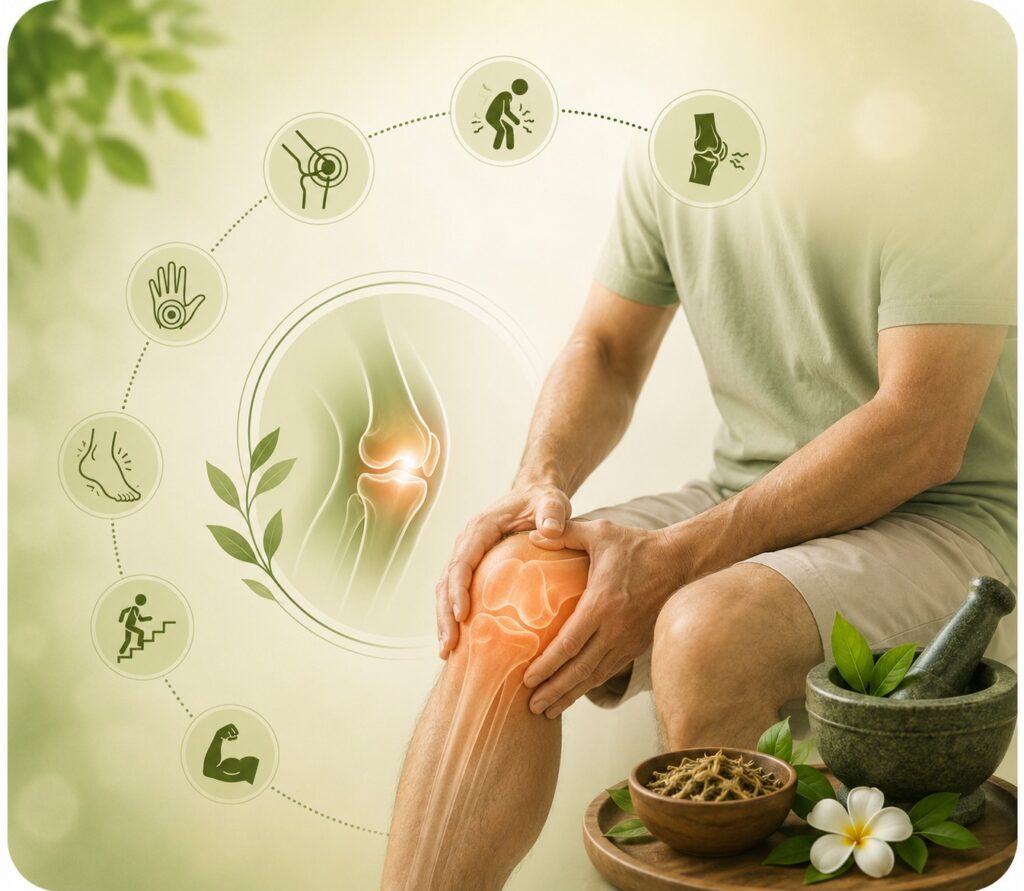
Common Symptoms

  • Joint pain — ranging from mild aching to severe pain
  • Stiffness, especially in the morning or after rest
  • Swelling around affected joints
  • Redness and warmth in joints (especially RA)
  • Reduced range of motion
  • Creaking or grinding sensation in joints
  • Joint deformity in advanced cases
  • Fatigue (especially in RA)
  • Difficulty with daily tasks (walking, gripping, climbing stairs)
  • Muscle weakness around affected joints
  • Systemic symptoms in RA: fever, loss of appetite

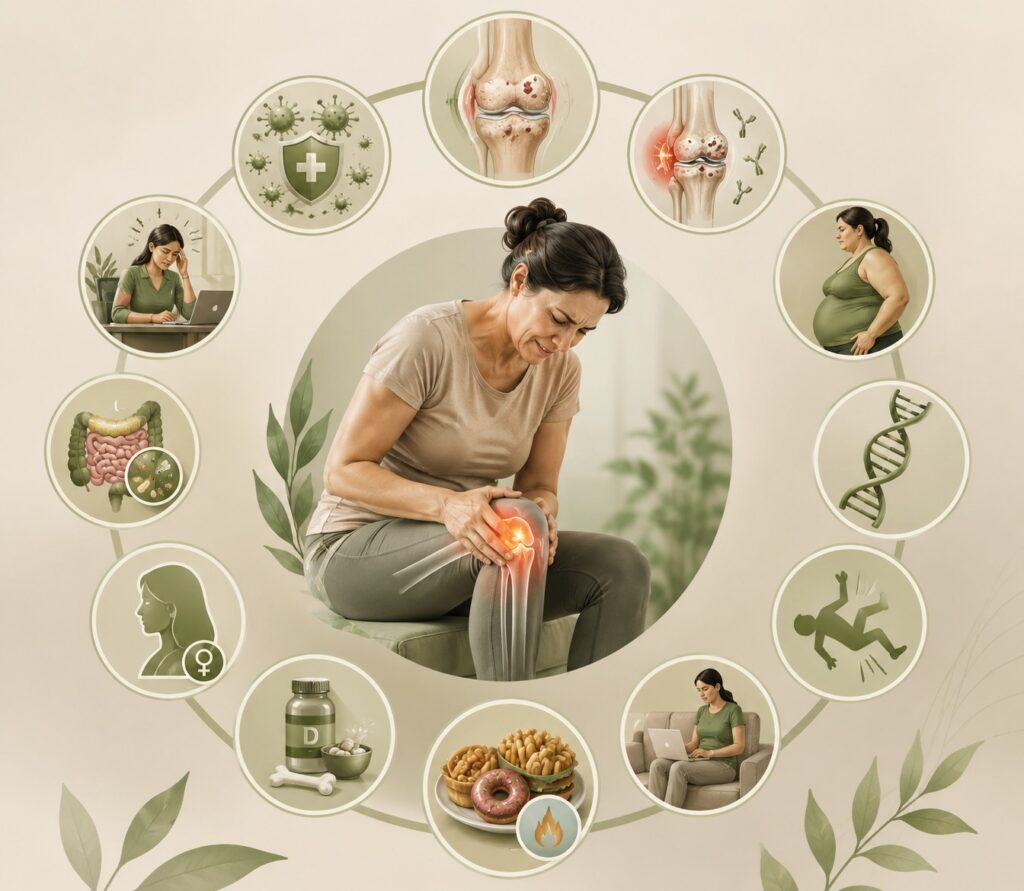
Causes & Contributing Factors

  • Age-related cartilage degeneration (OA)
  • Autoimmune attack on joint lining (RA)
  • Obesity placing excess load on joints
  • Genetics and family history
  • Previous joint injury or trauma
  • Sedentary lifestyle and muscle weakness
  • Inflammatory diet
  • Nutritional deficiencies: Vitamin D, Omega-3, Calcium
  • Hormonal factors (women more affected post-menopause)
  • Gut dysbiosis (linked to autoimmune arthritis)
  • Occupational stress on joints
Neurovedic Hormonal Balance

Modern Medical Treatment Approaches

OA management includes NSAIDs, analgesics, physiotherapy, intra-articular injections, and joint replacement surgery for severe cases. RA requires disease-modifying antirheumatic drugs (DMARDs), biologics, and steroids. Physiotherapy and occupational therapy are essential for maintaining function. Early and aggressive treatment of RA helps prevent joint damage

Understanding Long-Term Medication Considerations

  • Understanding Long-Term Medication Considerations
  • Long-term NSAIDs affect stomach, kidneys, and cardiovascular health
  • Steroids cause bone density loss, weight gain, and immune suppression
  • DMARDs and biologics increase infection risk
  • Joint replacement surgery carries significant recovery time and risks
  • How Neurotherapy May Support This Condition

    Neurotherapy at Neuro Vedic may support arthritis patients through: improved blood circulation to affected joints, reduction in muscle spasm and tension around painful joints, nerve stimulation to reduce pain signaling, improved mobility support, reduction of overall inflammation through stress reduction, and better sleep quality that aids tissue repair.

    Integrated Migraine Care
    Neurotherapy

    Role of Yogic Science

  • Gentle chair yoga for limited mobility patients
  • Virabhadrasana (Warrior pose) for knee and hip strength
  • Trikonasana (Triangle pose) for joint flexibility
  • Pranayama for inflammatory response reduction
  • Aqua yoga concepts for low-impact joint movement
  • Meditation for pain management and emotional wellness
  • Avoid: high-impact practices and poses causing pain
  • Ayurvedic Herbs

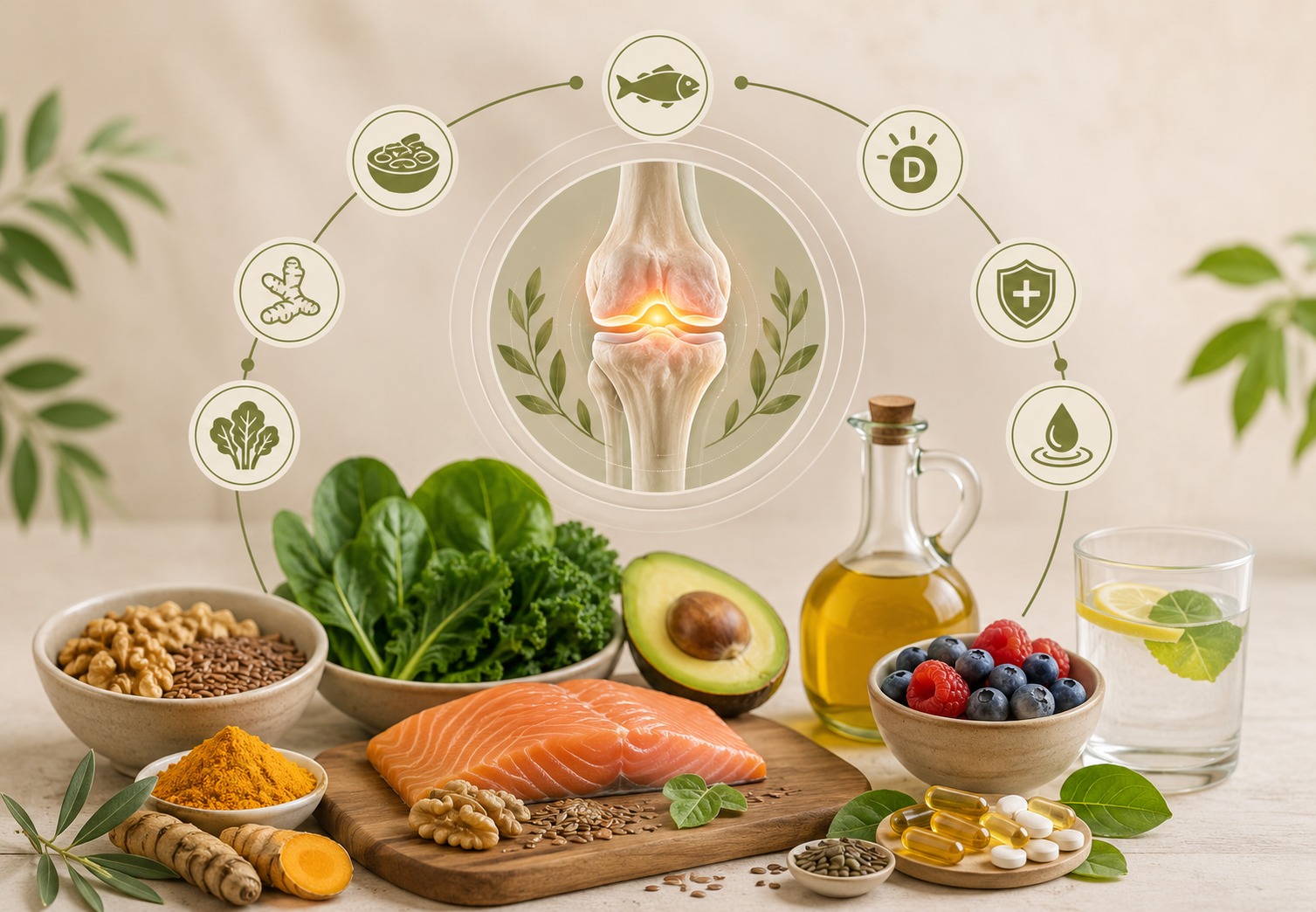
    Diet & Nutrition Support

  • Omega-3 anti-inflammatory fats: fatty fish, walnuts, flaxseeds
  • Turmeric and ginger: potent anti-inflammatory foods
  • Vitamin D and Calcium for bone support
  • Antioxidant-rich foods: berries, leafy greens
  • Collagen-supporting Vitamin C
  • Avoid: processed food, fried food, refined sugar, alcohol
  • For RA: elimination diet trials (gluten, dairy) under guidance
  • Adequate hydration for joint lubrication
  • Yoga

    Lifestyle Modifications for Better Health

  • Low-impact exercise: swimming, cycling, walkingd ginger: potent anti-inflammatory foods
  • Weight management to reduce joint load
  • Hot and cold therapy for pain management
  • Assistive devices for joint protection
  • Ergonomic modifications at home and work
  • Regular medical monitoring for RA disease activity
  • Stress management to reduce autoimmune flares
  • Adequate rest during flare-ups
  • Why Choose Neuro Vedic Holistic Health Care?

    Why Choose Neuro Vedic Holistic Health Care?

    At Neuro Vedic Holistic Health Care, we follow an integrated wellness approach that combines Neurotherapy, Yogic Science, Diet & Nutrition Guidance, and Lifestyle Modification. Our focus is to support the body naturally and improve overall health by addressing the root causes rather than simply managing symptoms.

    Personalized Care

    Personalized holistic care plans for each patient

    Integrated Wellness

    Combination of Neurotherapy + Yogic Science + Nutrition + Lifestyle Guidance

    Natural Approach

    Non-invasive, natural wellness support

    Root Cause Focus

    Focus on root causes and long-term wellbeing

    Patient-Centered Care

    Compassionate, patient-centered approach

    Frequently Asked Questions (FAQs)

    Q1. What is the difference between osteoarthritis and rheumatoid arthritis?

    Osteoarthritis is wear-and-tear cartilage damage. Rheumatoid arthritis is an autoimmune disease where
    the immune system attacks joint lining. Both cause pain and stiffness but have different treatments.

    Q2. Can joint pain be managed naturally?

    Anti-inflammatory diet, gentle exercise, weight management, Neurotherapy, and yoga can significantly
    improve joint pain and function, especially in mild to moderate arthritis.

    Q3. How does Neurotherapy help arthritis?

    Neurotherapy may improve circulation to affected joints, reduce muscle spasm, support nerve health,
    and improve pain management — reducing the functional impact of arthritis.

    Q3. What foods reduce joint inflammation?

    Omega-3 fatty acids, turmeric, ginger, colorful antioxidant-rich vegetables, and adequate Vitamin D and
    calcium are most beneficial for joint health.

    Q3. Is yoga safe for arthritis?

    Gentle yoga is generally safe and beneficial for arthritis. It improves joint mobility, muscle strength, and
    reduces pain. Chair yoga is available for those with limited mobility.

    Q3. Can weight loss help arthritis?

    Yes. Even modest weight loss (5-10%) significantly reduces pressure on weight-bearing joints and can
    meaningfully reduce arthritis pain, especially in the knees and hips.

    Let menopause be a transition, not a struggle.

    Book a women’s health diagnostic consultation at Neurovedic, Jalandhar — call +91-94630-62141 or +91-98151-87171.

    At Neurovedic