Knee & Hip Pain: Natural Holistic Support
Through Neurotherapy, Yogic Science & Lifestyle
Healing
Holistic Healing at Neuro Vedic
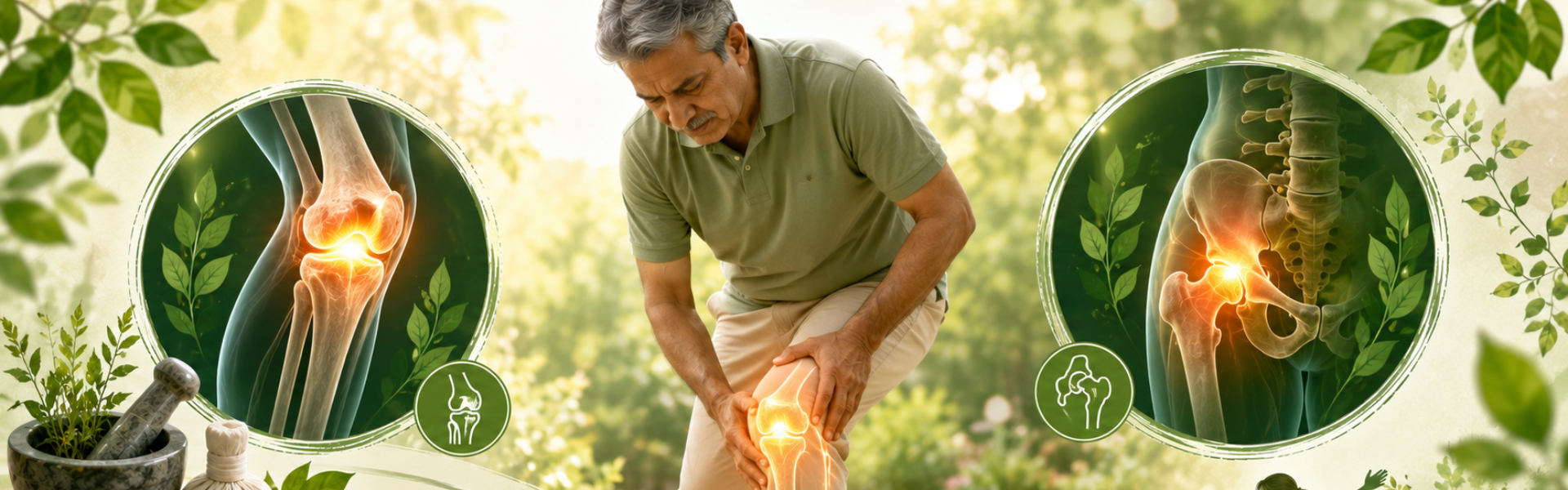
Whether it’s the sharp pain while climbing stairs, the ache that keeps you awake at night, or the stiffness that makes every morning a challenge — knee and hip pain are among the most limiting musculoskeletal conditions affecting people today.
At Neuro Vedic Holistic Health Care, we help patients manage knee and hip pain through Neurotherapy for
nerve and circulation support, Yogic Science for strength and flexibility, Nutritional Guidance for
anti-inflammatory joint health, and Lifestyle Modification to address mechanical and systemic causes.
Can This Condition Improve Naturally?
Knee and hip joints are weight-bearing and highly susceptible to both mechanical stress and inflammatory
conditions. With the right support — proper movement, anti-inflammatory nutrition, appropriate weight
management, and holistic therapies — many patients experience significant improvement in pain and
function without relying solely on surgery or long-term medication.
Understanding This Condition
Knee and hip pain can result from multiple conditions: osteoarthritis (cartilage wear), bursitis (inflammation of fluid sacs), tendonitis (tendon inflammation), meniscus tears, iliotibial band syndrome, and more. These joints bear the entire body weight, making them particularly vulnerable to both wear-and-tear and inflammatory damage. Knee pain affects approximately 25% of adults, and hip pain is increasingly common in both older and younger populations due to sedentary lifestyles.
Common Symptoms
Pain in the front, back, or sides of the knee.
Hip pain felt in the groin, buttock, or outer hip region.
Morning stiffness that gradually improves with movement.
Swelling, tenderness, or warmth around the affected joint.
Clicking, popping, or grinding sensations during movement.
Difficulty climbing or descending stairs.
Pain that worsens with prolonged sitting, standing, or inactivity.
Reduced range of motion and joint flexibility.
Weakness in the affected leg.
Limping or altered walking pattern to avoid pain.
Pain radiating down the thigh or into the groin area.
Causes & Contributing Factors
Osteoarthritis affecting the knee or hip joints.
Obesity, which significantly increases stress and load on weight-bearing joints.
Sedentary lifestyle and weakness of the muscles supporting the joints.
Previous injury, trauma, or repetitive joint strain.
Improper footwear and abnormal gait mechanics.
Inflammatory conditions such as rheumatoid arthritis (RA), bursitis, and gout.
Nutritional deficiencies, including Vitamin D, Calcium, and Omega-3 fatty acids.
Overuse injuries related to high-impact sports or repetitive activities.
Poor posture and improper body alignment.
Age-related degeneration of cartilage and joint structures.
Modern Medical Treatment Approaches
Treatment options include NSAIDs, physiotherapy for strengthening, knee/hip injections (steroids,
hyaluronic acid, PRP), knee bracing, and ultimately joint replacement surgery for severe OA.
Physiotherapy and weight management are the most effective conservative approaches.
Understanding Long-Term Medication Considerations
Long-term NSAID use: May increase the risk of gastric irritation, kidney-related issues, and cardiovascular concerns.
Steroid injections: Repeated or long-term use may contribute to weakening of surrounding tissues and joint structures.
Joint replacement surgery: Involves recovery time, potential complications, and consideration of implant lifespan.
Dependency on pain medications: Relying solely on pain relief without addressing underlying causes may limit long-term improvement.
How Neurotherapy May Support This Condition
Neurotherapy at Neuro Vedic may support knee and hip pain by: improving blood circulation to articular
cartilage and surrounding tissues, reducing muscle spasm and tension, supporting nerve pain
management, improving proprioception and joint stability awareness, reducing overall inflammation
through stress reduction, and helping patients remain active enough for recovery exercise.
Role of Yogic Science
Virabhadrasana (Warrior I & II): Helps strengthen the muscles supporting the knees and hips.
Supta Padangusthasana (Reclining Hand-to-Big-Toe Pose): Provides a gentle stretch for the hamstrings and surrounding muscles.
Baddha Konasana (Butterfly Pose): Encourages hip mobility and flexibility.
Chair Yoga: Suitable for individuals with significant mobility limitations or joint discomfort.
Pranayama: Can support relaxation, stress reduction, and pain management.
Avoid: Deep squats, Lotus Pose (Padmasana), and other positions that aggravate symptoms during periods of acute pain.
Diet & Nutrition Support
Omega-3 fatty acids: Include sources such as fatty fish, walnuts, and flaxseeds for anti-inflammatory support.
Turmeric and Ginger: Natural ingredients that may help support a healthy inflammatory response.
Collagen-supporting nutrients: Vitamin C-rich foods and bone broth may help support connective tissue health.
Calcium and Vitamin D: Essential nutrients for maintaining bone strength and supporting joint health.
Maintain a healthy body weight: Reduces stress on weight-bearing joints and supports mobility.
Avoid: Excess sugar, fried foods, and highly processed foods that may contribute to inflammation.
Adequate hydration: Supports overall health and helps maintain normal joint function.
Lifestyle Modifications for Better Health
Low-impact exercise: Activities such as swimming, cycling, and walking can help maintain joint mobility and overall fitness.
Weight management: Even a modest weight loss of around 5% can reduce stress on the joints and improve symptoms.
Proper footwear and orthotics: Supportive shoes and customized orthotics may help improve alignment and reduce joint strain.
Avoid prolonged sitting or standing: Change positions regularly to reduce stiffness and discomfort.
Strengthening exercises: Focus on building the muscles that support and stabilize the affected joints.
Hot and cold therapy: Can be used to help manage pain, stiffness, and inflammation.
Ergonomic adjustments: Optimize home and workplace setups to support posture and joint health.
Regular physiotherapy and medical monitoring: Important for maintaining function and tracking joint health over time.
Why Choose Neuro Vedic Holistic Health Care?
At Neuro Vedic Holistic Health Care, we follow an integrated wellness approach that combines Neurotherapy, Yogic Science, Diet & Nutrition Guidance, and Lifestyle Modification. Our focus is to support the body naturally and help individuals improve overall health through holistic care principles — addressing root causes rather than just suppressing symptoms.
Personalized holistic care plans tailored to the unique needs and health goals of each patient.
Comprehensive approach combining Neurotherapy, Yogic Science, Nutrition, and Lifestyle Guidance.
Non-invasive, natural wellness support focused on enhancing overall health and quality of life.
Root-cause-focused care aimed at promoting sustainable, long-term wellbeing.
Compassionate, patient-centered approach that prioritizes individualized attention, support, and empowerment.
Frequently Asked Questions (FAQs)
Q1. What are the most common causes of knee pain?
Osteoarthritis, ligament injuries, meniscal damage, bursitis, and IT band syndrome are most common.
Obesity and sedentary lifestyle increase risk.
Q2. Can knee or hip pain improve without surgery?
Yes. Many patients improve significantly with physiotherapy, weight management, anti-inflammatory
care, and holistic therapies. Surgery is typically reserved for severe, unresponsive cases
Q3. How does Neurotherapy help knee and hip pain?
Neurotherapy improves circulation, reduces muscle spasm, supports nerve pain management, and
helps patients maintain the activity level needed for recovery.
Q4. What exercises help knee pain?
Low-impact strength exercises for quadriceps and gluteal muscles, swimming, cycling, and gentle yoga
are most beneficial. Avoid high-impact activities during acute pain.
Q5. Can diet reduce knee and hip pain?
Anti-inflammatory nutrition rich in omega-3 fats, turmeric, and antioxidants can meaningfully reduce joint
inflammation and support cartilage health.
Q6. When should I consider joint replacement?
Joint replacement is typically considered when conservative treatment has failed, quality of life is
severely impacted, and imaging confirms significant joint degeneration. Always explore all conservative
options first.