Anxiety & Panic Disorders: Natural Holistic
Support Through Neurotherapy, Yogic Science &
Lifestyle Healing
Holistic Healing at Neuro Vedic
Racing heart. Shortness of breath. An overwhelming sense of dread that seems to come out of nowhere. If
you’ve experienced panic attacks or lived with persistent anxiety, you know how exhausting and isolating it
can feel. Anxiety is one of the most common mental health challenges in the world — and one of the most
treatable.
At Neuro Vedic Holistic Health Care, we address anxiety and panic disorders through a calming,
whole-body approach: Neurotherapy for nervous system balance, Yogic Science for breath and mind
control, Nutritional support for neurotransmitter health, and Lifestyle Modifications for lasting emotional
stability.
Can This Condition Improve Naturally?
Anxiety is fundamentally a dysregulation of the nervous system’s stress response. The body can learn to
reset this response with the right support. Holistic care focuses on training the nervous system to shift from
‘fight or flight’ to a calmer, more balanced state — through breathing, relaxation, nutrition, and consistent
lifestyle changes that build long-term emotional resilience.
Understanding This Condition
Anxiety disorders are the most common mental health conditions, affecting over 280 million people worldwide. They involve persistent, excessive worry, fear, or nervousness that is disproportionate to actual circumstances. Panic disorder involves recurrent unexpected panic attacks — intense episodes of fear with physical symptoms like heart palpitations, dizziness, and breathlessness. Anxiety disorders include generalized anxiety disorder (GAD), social anxiety, specific phobias, and panic disorder.
Common Symptoms
Persistent worry or feelings of dread
Racing heartbeat (palpitations)
Shortness of breath
Sweating and trembling
Chest tightness
Nausea and stomach discomfort
Dizziness or lightheadedness
Difficulty sleeping (insomnia)
Irritability and restlessness
Difficulty concentrating
Muscle tension and headaches
Avoidance of triggering situations
Fear of losing control or dying during panic attacks
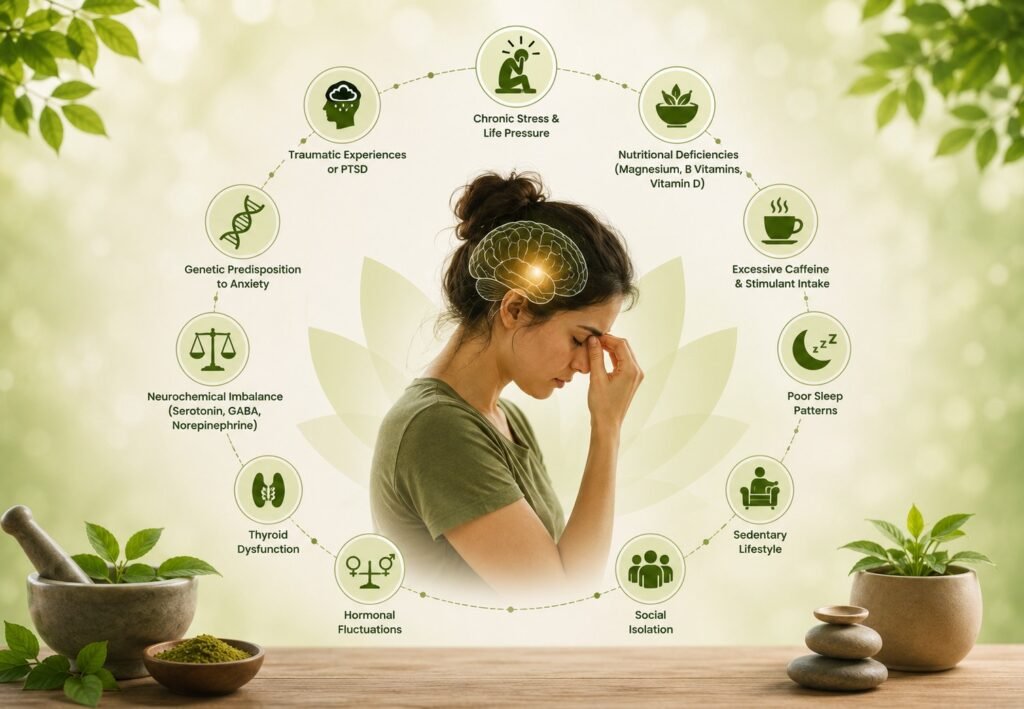
Nutritional deficiencies: Magnesium, B vitamins, Vitamin D
Excessive caffeine and stimulant intake
Poor sleep patterns
Sedentary lifestyle
Social isolation
Hormonal fluctuations
Gut dysbiosis (gut-brain axis)
Modern Medical Treatment Approaches
Medical treatment for anxiety includes SSRIs, SNRIs, and benzodiazepines for acute management. Cognitive Behavioral Therapy (CBT) is one of the most evidence-based psychological treatments. Other approaches include mindfulness-based therapy, exposure therapy, and counseling. For panic disorder, a combination of medication and therapy typically yields the best results
Understanding Long-Term Medication Considerations
Benzodiazepines carry risk of dependency and withdrawal
SSRIs may cause initial side effects: nausea, sexual dysfunction, weight changes
Drowsiness and reduced alertness with some medications
Emotional blunting in some patients
Difficulty discontinuing medications without tapering
How Neurotherapy May Support This Condition
Neurotherapy sessions at Neuro Vedic aim to calm the overactive stress response by stimulating specific points that support parasympathetic nervous system activation. This may help: reduce physical symptoms of anxiety (heart rate, muscle tension), improve breathing regulation, support better sleep, reduce emotional reactivity, and build a more stable nervous system baseline over time.
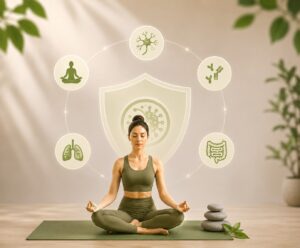
Role of Yogic Science
4-7-8 breathing technique for instant calming
Bhramari pranayama for anxiety relief
Anulom Vilom for nervous system balance
Yoga Nidra for deep stress release
Restorative yoga poses for relaxation
Daily meditation for worry reduction
Progressive muscle relaxation
Diet & Nutrition Support
Magnesium-rich foods: dark chocolate, almonds, spinach
Vitamin B complex: whole grains, eggs, leafy vegetables
Vitamin D: sunlight and fortified foods
Probiotic foods for gut-brain axis support: yogurt, fermented foods
Chamomile tea and ashwagandha (with professional guidance)
Lifestyle Modifications for Better Health
Regular sleep schedule — wake and sleep at the same time
Daily physical exercise to metabolize stress hormones
Journaling thoughts and feelings
Digital detox — especially social media reduction
Social connection and meaningful relationships
Spend time in nature
Limit news consumption
Professional therapy alongside holistic care
Why Choose Neuro Vedic Holistic Health Care?
At Neuro Vedic Holistic Health Care, we follow an integrated wellness approach that combines Neurotherapy, Yogic Science, Diet & Nutrition Guidance, and Lifestyle Modification. Our focus is to support the body naturally and help individuals improve overall health through holistic care principles — addressing root causes rather than just suppressing symptoms
A panic attack brings sudden intense fear, racing heart, shortness of breath, chest tightness, sweating, trembling, and a feeling of losing control — usually peaking within 10 minutes and subsiding
Q2. Can anxiety be managed without medication?
Mild to moderate anxiety often responds well to lifestyle changes, therapy, yoga, and nutrition. Severe anxiety may require medication. Holistic care complements medical treatment effectively.
Q3. How does Neurotherapy help with anxiety?
Neurotherapy may help calm the nervous system’s stress response, reduce physical anxiety symptoms, improve sleep, and build a more balanced neurological baseline
Q4. What foods reduce anxiety?
Magnesium, B vitamins, omega-3 fatty acids, and probiotics are linked to better anxiety management. Reducing caffeine and sugar is also important
Q5. Can yoga really help with panic disorder?
Yes, pranayama (breathing exercises) and meditation are evidence-supported tools for reducing anxiety. They activate the parasympathetic nervous system, countering the fight-or-flight response
Q6. How long does anxiety treatment take?
Results vary widely. Many patients notice improvement within weeks with consistent lifestyle changes
and therapy. Some may need longer-term support.