Parkinson's Disease (Supportive Care): Natural
Holistic Support Through Neurotherapy, Yogic
Science & Lifestyle Healing
Holistic Healing at Neuro Vedic
A diagnosis of Parkinson’s disease can be deeply life-altering — for both the patient and their family. The
progressive nature of the condition, the physical challenges it brings, and the emotional weight it carries
make it one of the most demanding neurological conditions to live with
At Neuro Vedic Holistic Health Care, we understand this deeply. While Parkinson’s requires ongoing
medical management, we offer a supportive holistic approach through Neurotherapy, Yogic Science,
Nutrition, and Lifestyle Guidance to help patients improve comfort, mobility, balance, emotional wellness,
and overall quality of life alongside conventional care.
Can This Condition Improve Naturally?
The body has remarkable adaptive mechanisms. While Parkinson’s involves progressive neurological
changes, supportive holistic care may help slow the impact of the disease on daily functioning, reduce
stress-related symptom aggravation, support mobility through gentle physical therapies, and improve
emotional resilience. Natural healing support does not replace medical treatment but works as a
complementary approach to enhance overall well-being.
Understanding This Condition
Parkinson’s disease is a progressive neurological disorder that primarily affects movement. It occurs when
dopamine-producing neurons in a part of the brain called the substantia nigra gradually deteriorate.
Dopamine is essential for coordinating smooth, controlled movements. Without adequate dopamine, the
body experiences tremors, stiffness, and balance problems. Parkinson’s is primarily a disease of older
adults, though early-onset cases do occur. It affects approximately 10 million people worldwide.
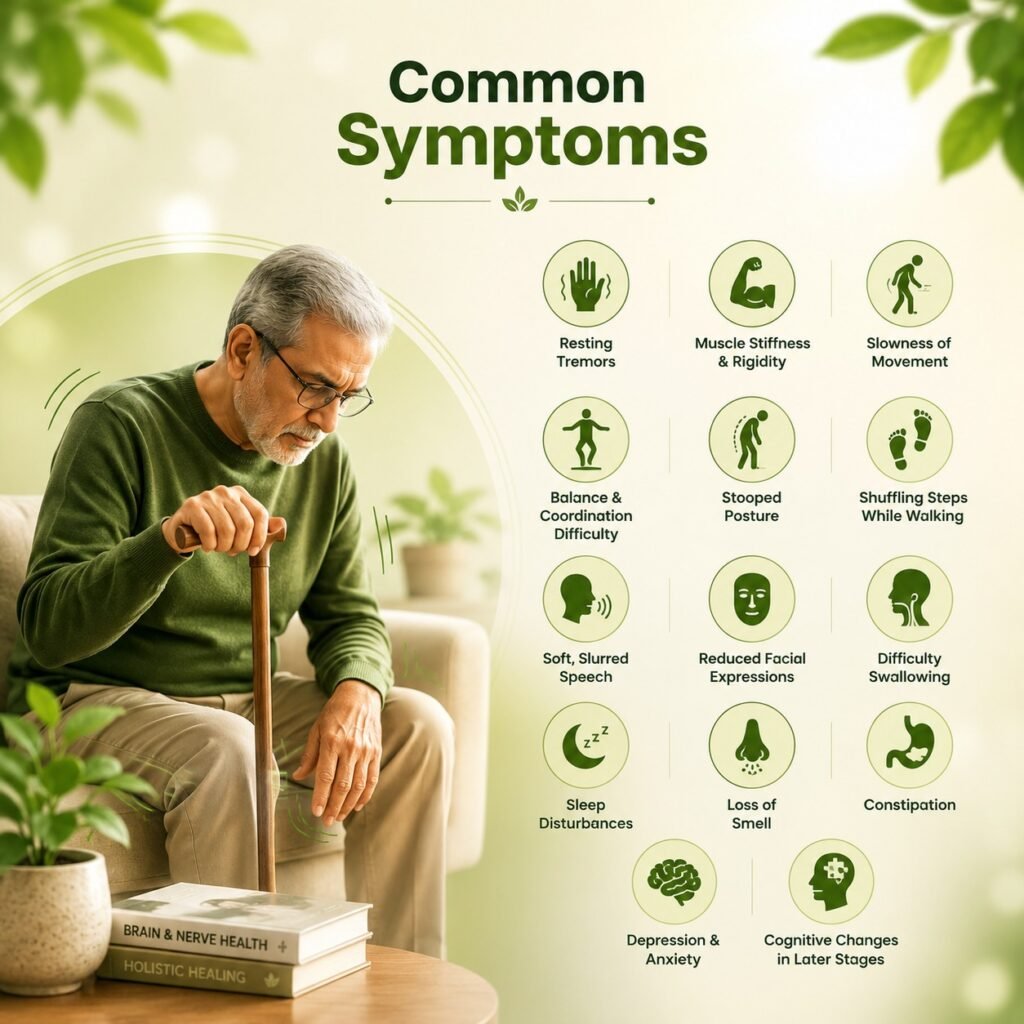
Common Symptoms
Resting tremors (shaking) — usually starting in hands or fingers
Muscle stiffness and rigidity
Slowness of movement (bradykinesia)
Difficulty with balance and coordination
Stooped posture
Small shuffling steps while walking
Soft, slurred speech
Reduced facial expressions
Difficulty swallowing
Sleep disturbances
Loss of smell
Constipation
Depression and anxiety
Cognitive changes in later stages
Causes & Contributing Factors
Loss of dopamine-producing neurons in the brain
Genetic mutations in some cases
Environmental toxin exposure (pesticides, heavy metals)
Oxidative stress and free radical damage
Mitochondrial dysfunction
Chronic inflammation in the brain
Gut-brain axis dysfunction (leaky gut linked to Parkinson's research)
Age-related neuronal degeneration
Chronic stress and its neurological impact
Modern Medical Treatment Approaches
The primary medical treatment for Parkinson’s involves levodopa-carbidopa, the most effective medication
for managing motor symptoms by supplementing dopamine. Other medications include dopamine
agonists, MAO-B inhibitors, and anticholinergics. For advanced cases, deep brain stimulation (DBS)
surgery may be recommended. Physiotherapy, occupational therapy, and speech therapy are important
parts of the management plan. While medications manage symptoms, they do not halt progression.
Understanding Long-Term Medication Considerations
Levodopa-related dyskinesia (involuntary movements) with long-term use
Nausea and digestive discomfort
Cardiovascular effects with some medications
Sleep attacks (sudden sleepiness)
Mood and behavioral changes
Hallucinations with high doses
Reduced effectiveness of levodopa over time
How Neurotherapy May Support This Condition
Neurotherapy at Neuro Vedic aims to support Parkinson’s patients through: improved blood circulation to
muscles and nerves, muscular relaxation to reduce stiffness, stress response calming, support for sleep
quality, and improved sense of body awareness. These techniques are non-invasive and focused on
overall comfort and neurological support. Many patients report feeling more relaxed and experiencing less
muscular tension after sessions.
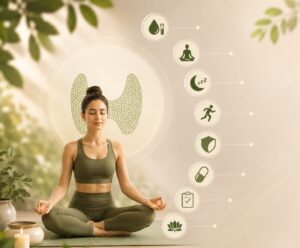
Role of Yogic Science
Gentle yoga asanas to improve flexibility and mobility
Tai-chi-inspired slow movements for balance
Pranayama for respiratory health and stress reduction
Meditation for emotional wellness and mood support
Protein timing: some patients need to separate protein intake from levodopa dosing (consult neurologist)
Turmeric (curcumin) for anti-inflammatory support
Avoid: processed food, excess sugar, alcohol
Lifestyle Modifications for Better Health
Daily gentle physical activity and stretching
Occupational therapy exercises for daily tasks
Voice exercises to maintain speech clarity
Fall-prevention measures at home
Regular social engagement
Quality sleep support
Stress management through relaxation practices
Caregiver support and family education
Why Choose Neuro Vedic Holistic Health Care?
At Neuro Vedic Holistic Health Care, we follow an integrated wellness approach that combines
Neurotherapy, Yogic Science, Diet & Nutrition Guidance, and Lifestyle Modification. Our focus is to
support the body naturally and help individuals improve overall health through holistic care principles —
addressing root causes rather than just suppressing symptoms.
Q1. What are the first signs of Parkinson's disease?
Early signs often include a slight tremor in one hand, stiffness, a soft voice, reduced arm swing while
walking, and sleep disturbances. Loss of smell is also an early marker in some cases.
Q2. Is Parkinson's disease hereditary?
Most cases are not directly hereditary. However, certain genetic mutations can increase risk.
Environmental factors and aging also play significant roles.
Q3. How can Neurotherapy help Parkinson's patients?
Neurotherapy may help reduce muscular rigidity, improve circulation, support relaxation, and enhance
sleep quality — all of which contribute to better daily functioning in Parkinson’s patients
Q4. What exercises are best for Parkinson's?
Gentle yoga, walking, swimming, balance exercises, and tai-chi-inspired movements are commonly
recommended for Parkinson’s patients to maintain mobility and reduce stiffness.
Q5. Can diet affect Parkinson's symptoms?
Antioxidant-rich and anti-inflammatory foods may support brain health. Fiber supports digestion. Protein
timing relative to levodopa medication is also important — always consult your neurologist.
Q6. Is holistic care safe alongside Parkinson's medications?
Yes, holistic supportive care such as yoga, Neurotherapy, and dietary guidance is generally safe
alongside medications. Always keep your neurologist informed about any complementary therapies.